
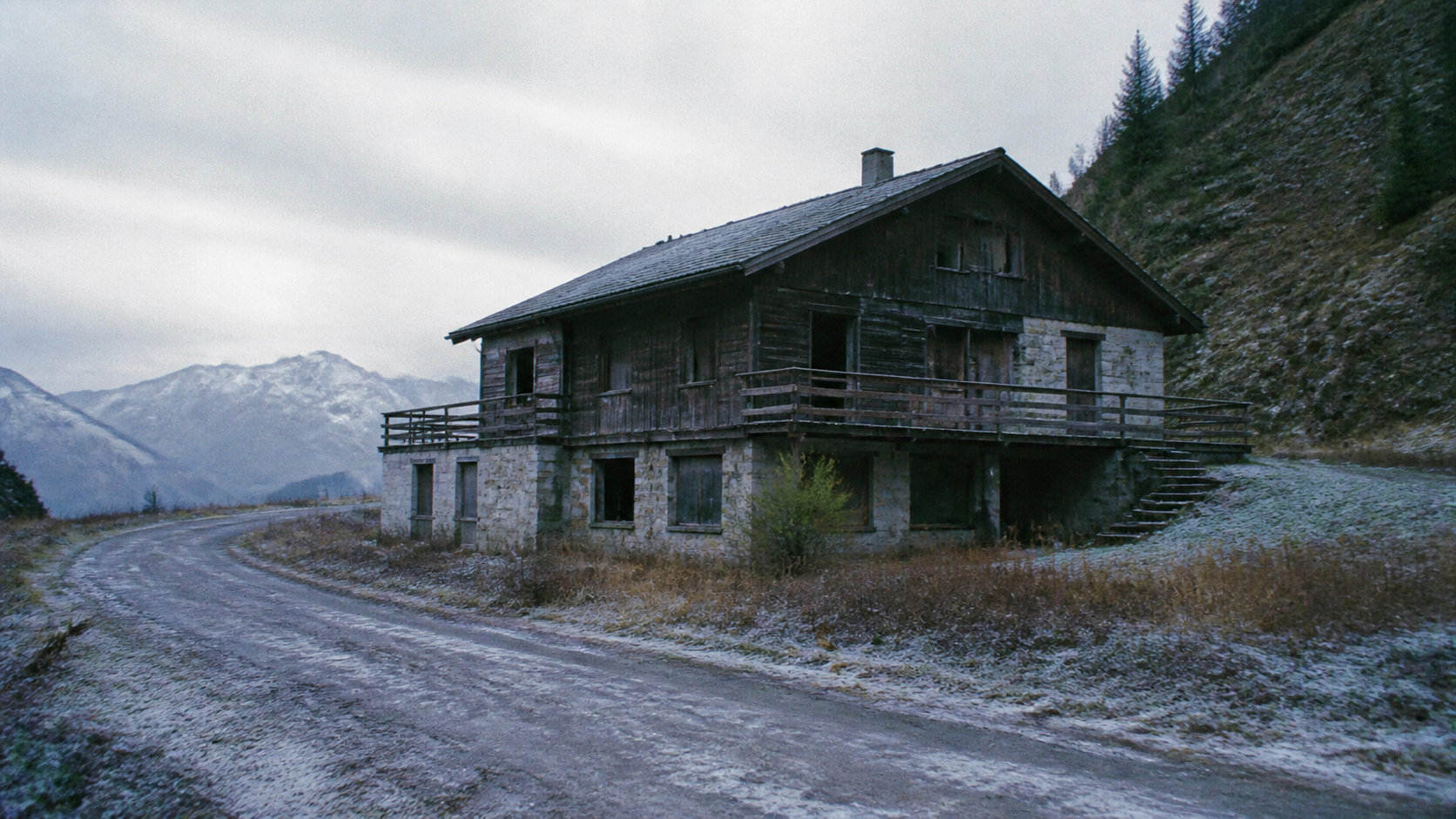
In October 1994, fires drew investigators to properties in Quebec and two quiet Swiss communities. What they found exposed the deadly end of the Order of the Solar Temple, an international esoteric movement whose leaders had wrapped control, money, ritual, and apocalyptic belief in the language of spiritual transformation. The deaths did not belong to one night, and they cannot be accurately reduced to a simple story of collective suicide.
Across three countries and three separate episodes between 1994 and 1997, 74 people died. Some appear to have accepted the leaders’ idea of a final “transit.” Others were murdered. That distinction matters because the victims included former members, children, and people whose ability to consent remains uncertain. Behind the ceremonial staging was a human catastrophe built over years.
Who founded the Order of the Solar Temple?
Joseph Di Mambro and Luc Jouret established the Order of the Solar Temple in the 1980s. Di Mambro, a French jeweler with a long interest in esoteric groups, became its controlling organizer. Jouret, a Belgian physician and persuasive public speaker, gave lectures on spirituality, health, ecology, and an approaching planetary crisis. Together, they attracted followers in Switzerland, France, Quebec, and elsewhere.
The movement drew from neo-Templar traditions, Rosicrucian ideas, Christianity, New Age spirituality, and apocalyptic expectation. Its name invoked the medieval Knights Templar, but the modern group had no direct historical continuity with that order. Ceremonies and ranks created an atmosphere of secret knowledge, while the leadership presented membership as preparation for a higher spiritual mission.
Members were not simply an isolated rural commune. They included professionals, business owners, and families who often continued ordinary lives outside the group. This respectable surface helped the organization move across borders and made its internal world difficult for outsiders to see.
How secrecy became a system of control
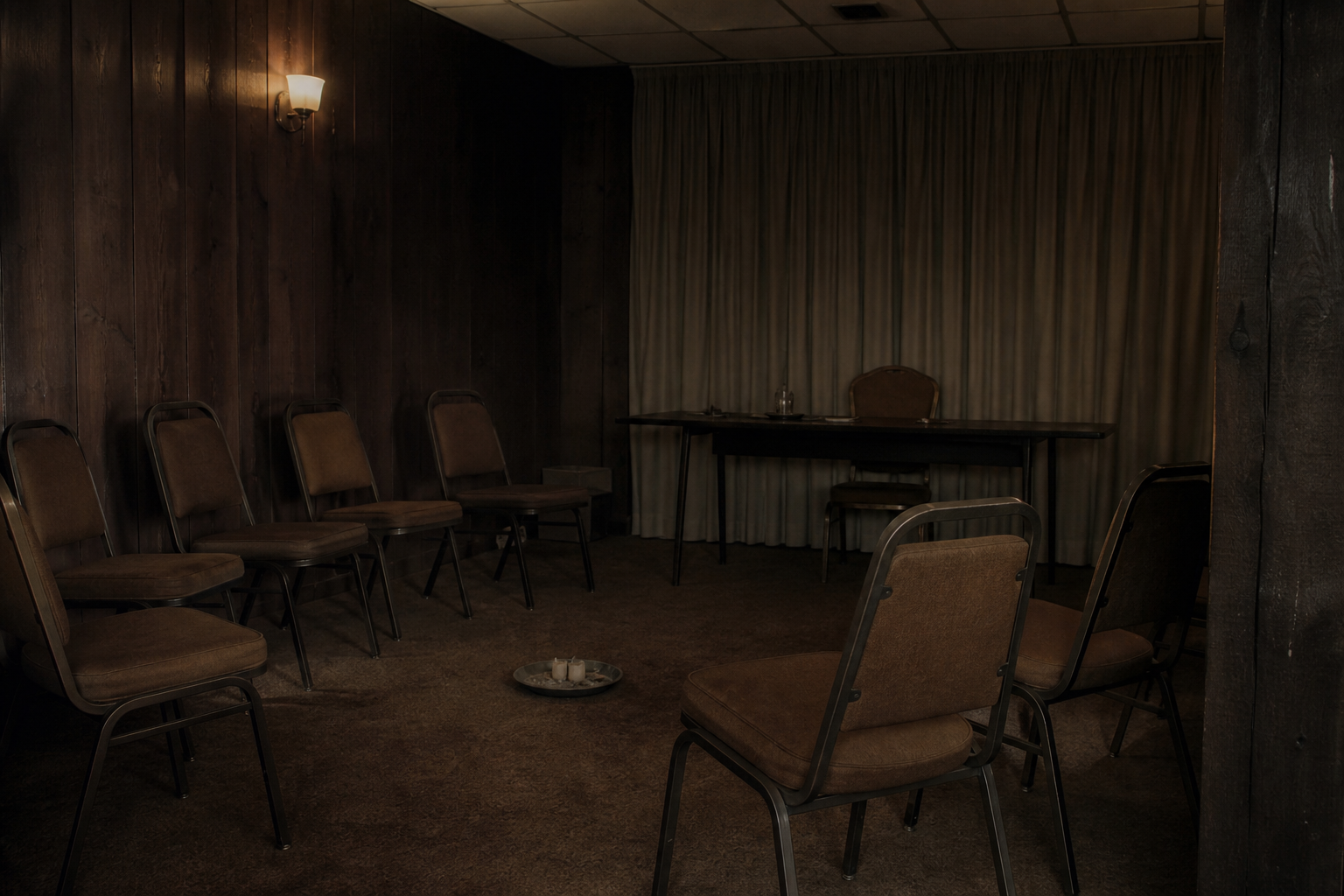
The Order operated through layers. Newer participants could encounter public lectures and broad spiritual ideas, while selected members entered increasingly private circles. Rank, ceremony, and claims of privileged knowledge encouraged followers to look upward for answers. The structure also allowed leaders to reveal the group’s most extreme beliefs gradually.
Researchers describe Di Mambro as the central authority behind the organization. Former-member testimony and later investigations challenged the authenticity of experiences presented inside the group. Those accounts suggested that some supposedly mystical effects were manufactured. Whatever individual followers believed, the imbalance was stark: leaders controlled the information, the rituals, and the meaning assigned to doubt.
Money intensified that imbalance. Questions about finances and Di Mambro’s conduct weakened trust within the movement during its final years. As members became suspicious or left, the leadership increasingly framed critics and defectors as threats. A spiritual hierarchy was hardening into a closed system in which departure could be treated as betrayal.
Order of the Solar Temple deaths: A timeline
The case unfolded in four principal locations. The chronology below follows the record summarized by Université Laval’s Centre de ressources et d’observation de l’innovation religieuse and official case material from Quebec.
| Date | Location | Documented toll |
|---|---|---|
| October 4, 1994 | Morin-Heights, Quebec | Five members of one family were killed |
| October 5, 1994 | Cheiry and Granges-sur-Salvan, Switzerland | Forty-eight people died across two sites |
| December 15, 1995 | Vercors region, France | Sixteen people died |
| March 23, 1997 | Saint-Casimir, Quebec | Five people died; three teenagers survived |
The first known killings occurred at Morin-Heights, north of Montreal. A family of former members, including a young child, was murdered. The home was then set on fire. This event is essential to understanding everything that followed because it establishes that the Order’s final violence included deliberate homicide, not only self-chosen death.
The fires in Switzerland
Hours later, fires revealed a much larger catastrophe in Switzerland. Investigators found 23 dead at a farm in Cheiry and 25 at chalets in Granges-sur-Salvan. Di Mambro and Jouret were among the dead. The locations, the preparation, and messages associated with the group suggested a coordinated operation presented by its organizers as a spiritual departure from a corrupt world.
Yet the physical evidence resisted that language. Victims had not all died in the same way, and investigators concluded that some had been killed. The carefully arranged settings could create the impression of a single shared ritual, but staging does not establish equal knowledge or consent. It can also conceal coercion.
The leadership called death a “transit,” a passage toward another spiritual existence. That word converted irreversible violence into a promise. It also softened the terror of what was being planned. Apocalyptic groups often create private vocabularies that separate followers from ordinary moral judgment. Here, the euphemism helped make death sound like advancement.
Why the deaths continued after the leaders were gone
The deaths of Di Mambro and Jouret did not end the Order’s fatal logic. In December 1995, 16 people were found dead in a remote area of the Vercors in southeastern France. Then, in March 1997, another fire in Saint-Casimir, Quebec, led to the discovery of five dead adults. Three teenagers survived that final episode.
These later events show how deeply the belief system had spread beyond its founders. Ideas repeated within a closed community can outlive the people who first imposed them. Social bonds, family ties, fear of catastrophe, and the conviction that earlier deaths had a sacred purpose could reinforce one another even after the central leadership disappeared.
Why “mass suicide” is the wrong shorthand
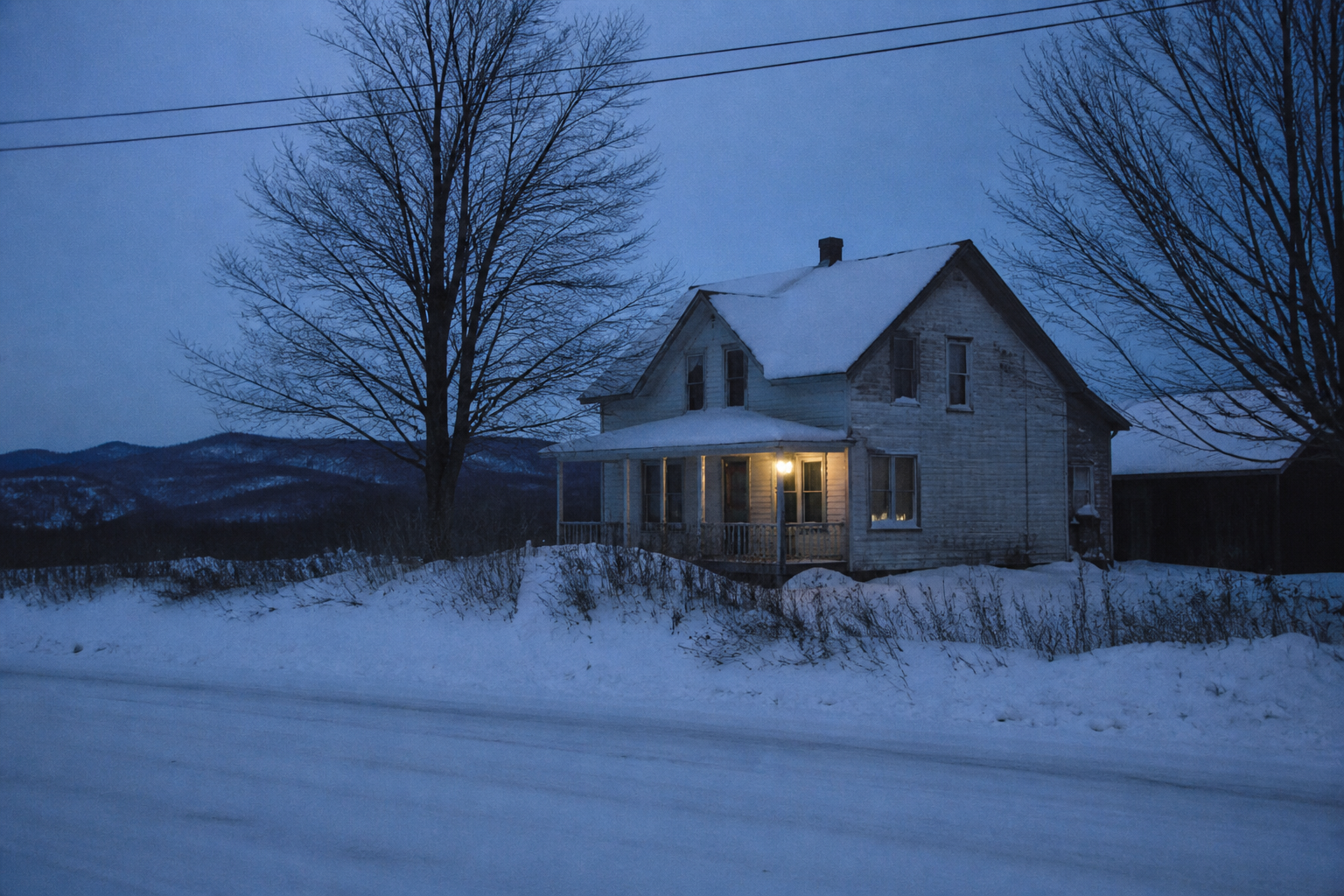
News coverage often compresses the Order of the Solar Temple into the phrase “mass suicide.” It is memorable, but it hides the most important forensic and moral distinction. The documented sequence included murder, suicide, fire, apparent consent, uncertain consent, and victims who could not have meaningfully chosen what happened.
A more accurate description is a series of coordinated murder-suicides and mass deaths connected to the same apocalyptic organization. This wording does not solve every unanswered question, but it avoids granting the perpetrators’ spiritual narrative control over the record. It also keeps attention on the victims rather than the spectacle surrounding the group.
The same caution matters when examining other destructive movements. Evil’s Eye’s investigation of Aum Shinrikyo and the Tokyo subway attack shows a different path from apocalyptic belief to violence. The Manson Family case likewise demonstrates why charismatic authority should not replace evidence about individual responsibility.
What investigations established and what remains disputed
Police work across Quebec, Switzerland, and France established the locations, identities, and broad sequence of the deaths. Investigators also recovered messages and records that revealed planning and the Order’s theology of “transit.” The combined evidence leaves little doubt that the episodes were connected.
However, the exact degree of knowledge held by every adult victim remains harder to determine. A staged scene can show planning without proving that everyone present approved it. Statements produced inside a coercive group also require careful interpretation. The public record therefore supports firm conclusions about the organization and the violence while leaving individual states of mind less certain.
The legal aftermath did not produce a simple final judgment that explained the entire network. Swiss musician and conductor Michel Tabachnik, who had associations with the Order and wrote esoteric texts used by members, faced proceedings in France. Courts ultimately acquitted him. An acquittal does not erase questions about the culture surrounding the group, but it does mean criminal responsibility was not proven against him.
Why the case still feels frightening
The Order of the Solar Temple remains disturbing because its danger was not advertised by a ruined compound or an openly violent doctrine. It appeared through lectures, private friendships, spiritual ambition, and ceremonies that made members feel chosen. The frightening environment was created slowly, inside ordinary rooms and respectable lives.
Its history also warns against treating education, income, or professional status as automatic protection from manipulation. Closed systems can appeal to hope as effectively as fear. They offer purpose, community, and certainty, then redefine questions as disloyalty and isolation as enlightenment.
The evidence supports no supernatural explanation for the Order’s end. The horror is more immediate. Leaders built a world in which private symbolism could outrank outside reality, and that world survived long enough to take 74 lives. Remembering the victims requires resisting the grand language of “transit” and naming the human choices, coercion, and violence beneath it.
Read next
- How Aum Shinrikyo turned apocalyptic belief into mass violence
- Inside the Manson Family’s system of control and murder
- The Heaven’s Gate tragedy and its fatal promise of escape