
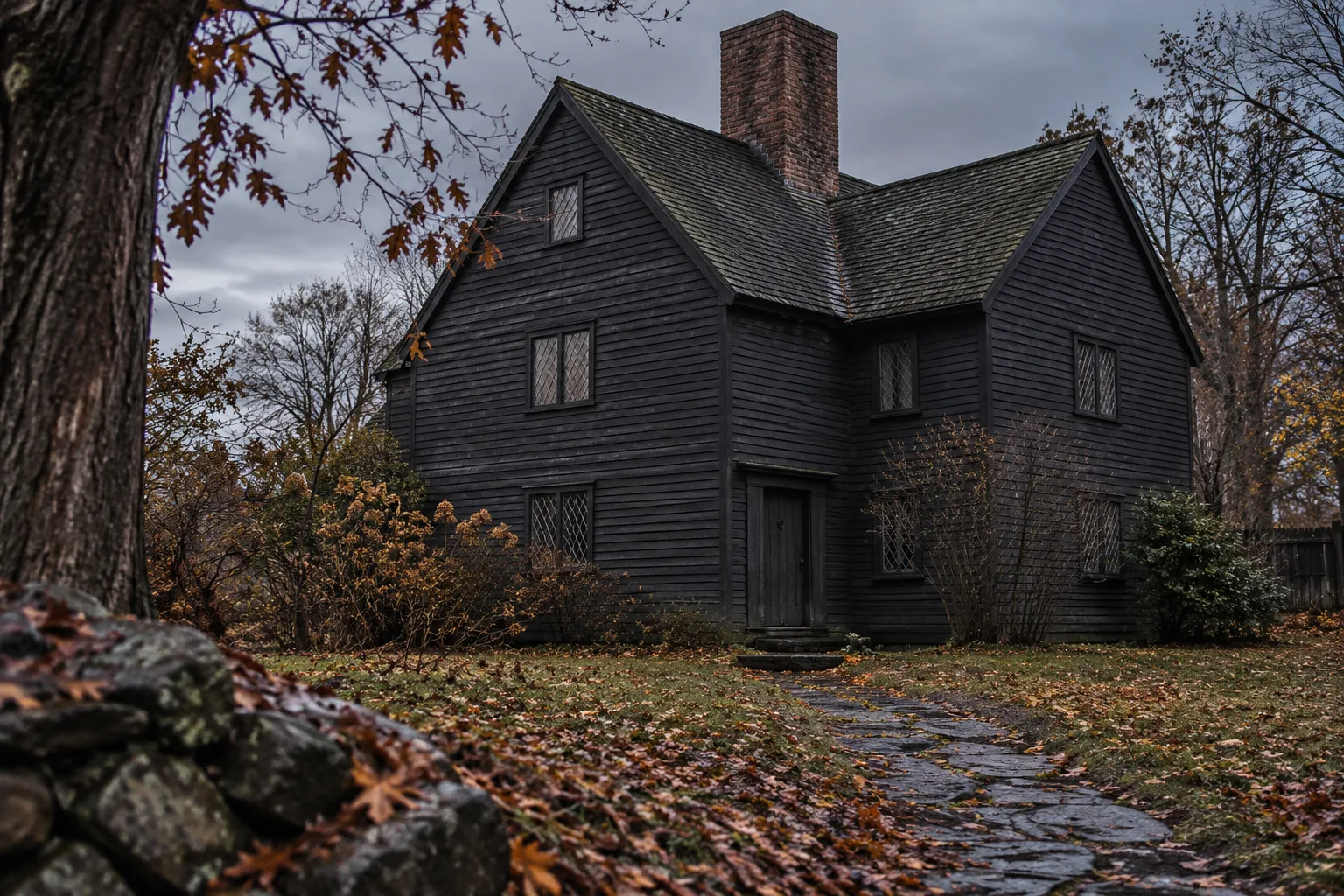
The Salem witch trials are frightening for a reason no ghost tour can improve upon: a person could deny an accusation and still face death because someone claimed to have seen their spirit. In 1692 Massachusetts, invisible attacks became courtroom testimony. Nineteen people were hanged, Giles Corey was pressed to death, and others died in prison. The terror was human, institutional and real.
This October, Salem is again celebrating Haunted Happenings. The city’s official tourism organisation has announced its 2026 programme of Halloween events, giving visitors a timely reason to look beyond costumes and haunted attractions. Behind the Witch City name lies a harder question: how did a community turn fear of the unseen into punishment for its neighbours?
In this story
The accusation could begin inside an ordinary home
The crisis began in Salem Village, now part of Danvers, rather than entirely within the boundaries of present-day Salem. Destination Salem’s historical timeline places the early accusations in the household of minister Samuel Parris, after his daughter and niece experienced disturbing symptoms that people interpreted as bewitchment.
The Salem Witch Museum’s historical overview distinguishes the afflicted, who reported attacks, from the accused, whom they identified as responsible. Tituba, an enslaved woman in Parris’s household, was among the first accused. Her eventual confession came under immense pressure, not under conditions that make a supernatural account reliable.
The dangerous transition was from suffering to certainty about its cause. Once an invisible enemy had a neighbour’s name, an unfamiliar movement or an old disagreement could acquire a sinister meaning. The Salem witch trials did not require a monster to enter a house. They required people to believe one was already living nearby.
Spectral evidence in the Salem witch trials
The Massachusetts Archives account of the proceedings describes the Court of Oyer and Terminer, established in May 1692, and its admission of spectral evidence. This meant testimony about visions or encounters with a person’s supposed spirit. Bridget Bishop was the first person tried before that court in June.
Consider the problem for the accused. A witness could describe an attack that nobody else could independently inspect. Being somewhere else did not necessarily answer an allegation about a spectral double. The claim moved beyond an ordinary dispute about what a person had physically done.
This is the most chilling feature of the Salem witch trials: a defence could fail because the accusation escaped the normal boundaries of observable action. Fear did not stay outside the legal system. The court gave it a procedure, and that procedure carried consequences no denial could easily undo.
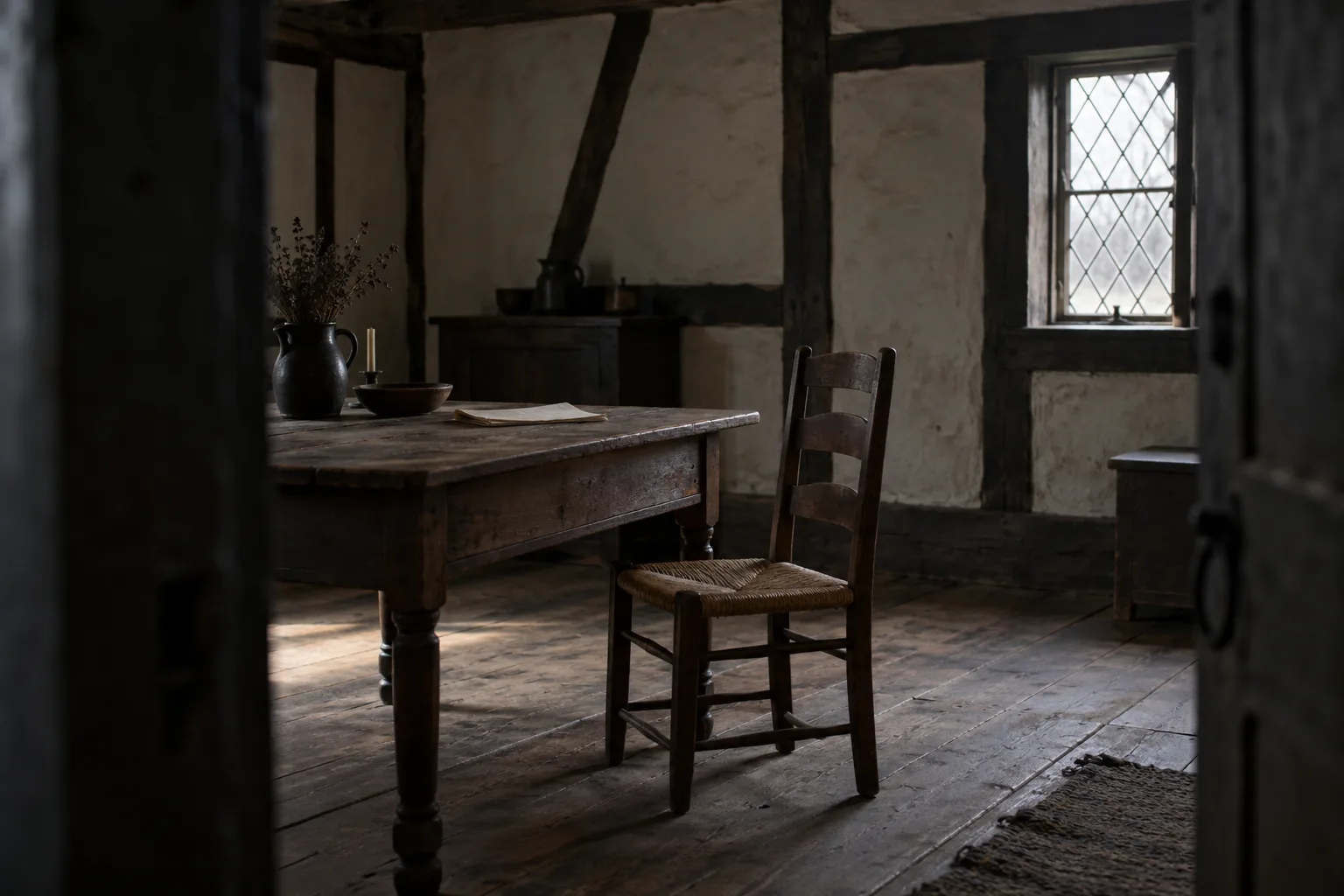
John and Elizabeth Proctor could not leave together
A case becomes harder to dismiss as distant history when the consequences fall on one household. According to the Salem Witch Museum’s account of the Proctors, John asked for the trials to move to Boston. Petitions supported the couple. Those efforts did not stop their convictions.
John and Elizabeth Proctor were convicted on August 2, 1692. Elizabeth’s pregnancy delayed her execution. John was hanged on August 19; Elizabeth remained imprisoned until May 1693. The same prosecution left one spouse dead and the other waiting in confinement.
These details matter more than a theatrical curse. The Salem witch trials tore through family life while neighbours and authorities recorded their decisions. Read the dates together and the interval becomes oppressive: conviction, separation, execution, then months before the survivor could leave prison. The danger was not a fleeting panic that disappeared when the courtroom emptied.
What happened to the victims, and what did not
The deaths deserve precision. The Witchcraft Victims’ Memorial in Danvers commemorates twenty-five people: nineteen hanged, one pressed to death and five who died in jail. Remembering only the executions leaves out those whose imprisonment itself proved fatal.
No one was burned at the stake during the Salem witch trials. Giles Corey, who refused to enter a plea, died under pressing rather than by hanging. Those distinctions correct familiar horror imagery without making the actual events less appalling. A bonfire does not need to be invented where the record already contains lethal persecution.
Nor should the accused become a cast of proven occult villains. An accusation is not evidence of supernatural power. Treating the victims as real witches in the prosecutors’ sense repeats the logic that endangered them. Modern spiritual practice, Halloween characters and the allegations of 1692 are different subjects.
The places that remain are not all execution sites
Salem’s Witch House is unsettling because of its association with authority. The city identifies it as the home of Judge Jonathan Corwin, one of the surviving structures directly connected with the trials. Its name does not mean it was a convicted witch’s dwelling, nor should a visitor assume every story told about it is documented.
Elsewhere, the Salem Witch Trials Memorial near Charter Street uses individual stone benches to commemorate the twenty people put to death. A memorial is a place of remembrance. It should not automatically be described as their burial ground.
For the hanging site, the relevant place is Proctor’s Ledge. The distinction between a house, a memorial and an execution location helps visitors read Salem without collapsing its geography into one haunted attraction. Each place tells a different part of the story.
The machinery of accusation finally slowed
The Massachusetts Archives describes Governor William Phips dissolving the Court of Oyer and Terminer in October 1692. Subsequent proceedings no longer accepted spectral evidence, and the conviction rate fell. The Salem witch trials ended as the authority given to those claims changed, not because a haunting received a demonstrable supernatural explanation.
That does not supply one simple diagnosis for every person involved. The museum cautions against a single explanation for the afflicted people’s behaviour. Historians must weigh social pressures and individual circumstances rather than claim one convenient theory explains every accusation.
For a different examination of how frightening behaviour receives a supernatural interpretation, our account of Strasbourg’s dancing plague separates recorded events from later explanations. Our Anneliese Michel investigation considers another case where beliefs, illness and responsibility collided. Neither is identical to Salem; the useful connection is the need to test an explanation before allowing it to govern someone’s life.
Visiting the Witch City in October 2026
Destination Salem’s current Haunted Happenings announcement confirms a month of seasonal activities. That is a genuine October connection for this story, not proof of a new paranormal incident. Use the official programme for event details and check individual venues before travelling, since availability and arrangements can change.
Choose deliberately between a historical site visit, a theatrical attraction and a ghost tour. Each can be a different kind of experience. None should blur a scripted scare into an authenticated event from the Salem witch trials. At memorials, keep the people named on the stones at the centre of the visit.
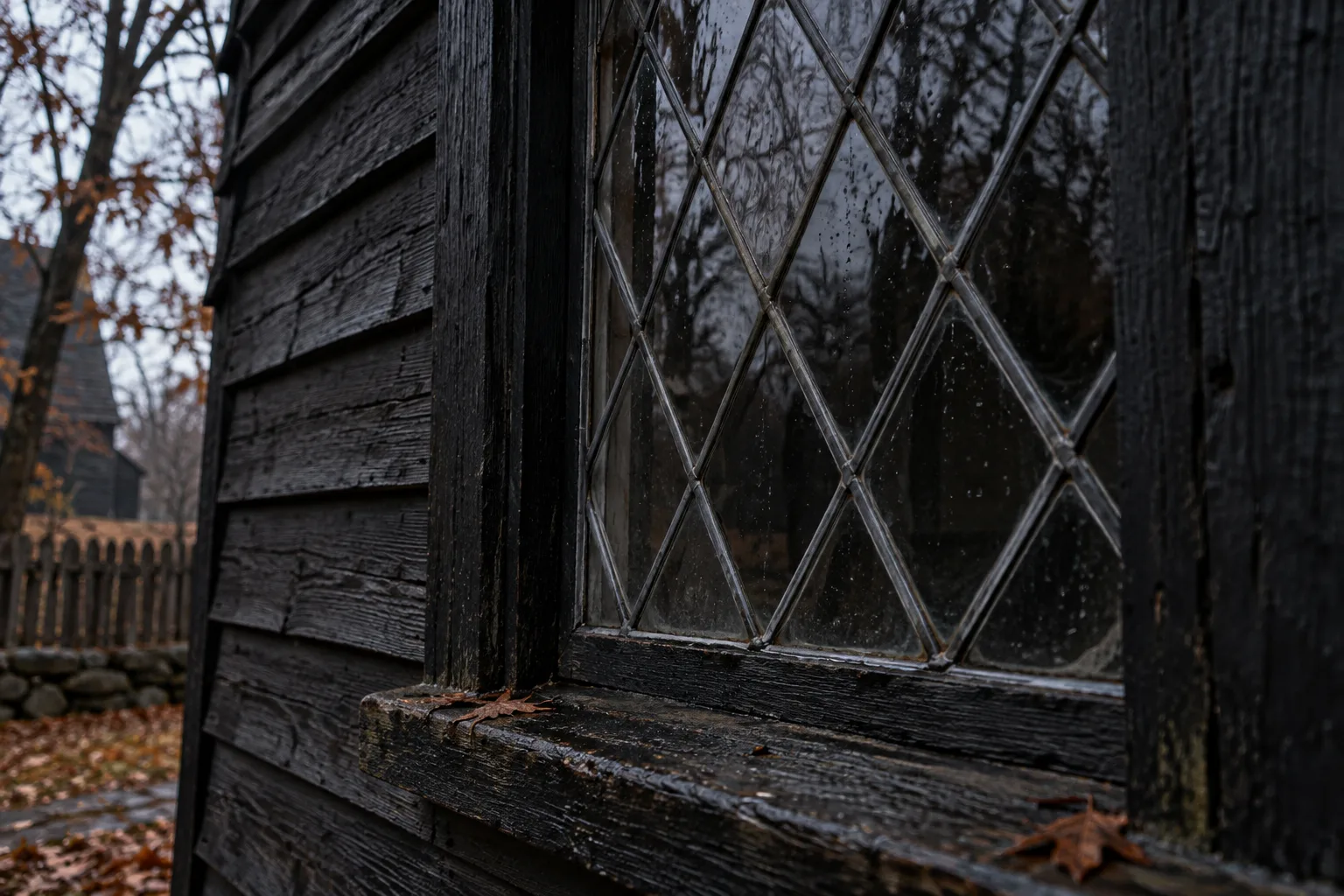
The unsettling thing to carry away is not the promise that a window contains a face. It is the knowledge that familiar houses once belonged to a community in which an allegation could destroy a life. The streets need no invented apparition to bear that weight.
The real horror was permission to punish
The Salem witch trials left documents, deaths and places of remembrance. They did not establish the supernatural crimes for which people suffered. That is the boundary an honest horror history must preserve, even while October invites the city to play with its haunted reputation.
The nightmare is a recognisable one: being named, being disbelieved and discovering that the people empowered to protect you have accepted an accusation you cannot meaningfully disprove. Salem remains disturbing because that fear does not depend on believing in ghosts.
Sources and further reading
- Massachusetts Archives: The Trials, with digitised records
- Salem Witch Museum: historical questions and misconceptions
- Salem Witch Museum: John and Elizabeth Proctor
- Salem Witch Museum: Danvers victims’ memorial
- Salem Witch Museum: Salem Witch Trials Memorial
- City of Salem: the Witch House
- Destination Salem: Proctor’s Ledge Memorial
- Destination Salem: historical timeline
- Destination Salem: Haunted Happenings 2026 announcement