
The Greenbrier Ghost story begins with a woman buried before anyone established how she died. In January 1897, Elva Zona Heaster Shue was found dead in her West Virginia home. An examination after burial exposed a dislocated neck. Then her mother told a courtroom that Zona had returned from the dead to name her killer.
Edward “Trout” Shue, Zona’s husband, was convicted of murder. However, the familiar claim that a ghost convicted him leaves out the most disturbing evidence: what happened around his wife’s body before the grave reopened. The surviving newspaper reports describe a prosecution built on medical findings and circumstances, not an apparition taking the witness stand.
Inside the case
A death accepted too quickly
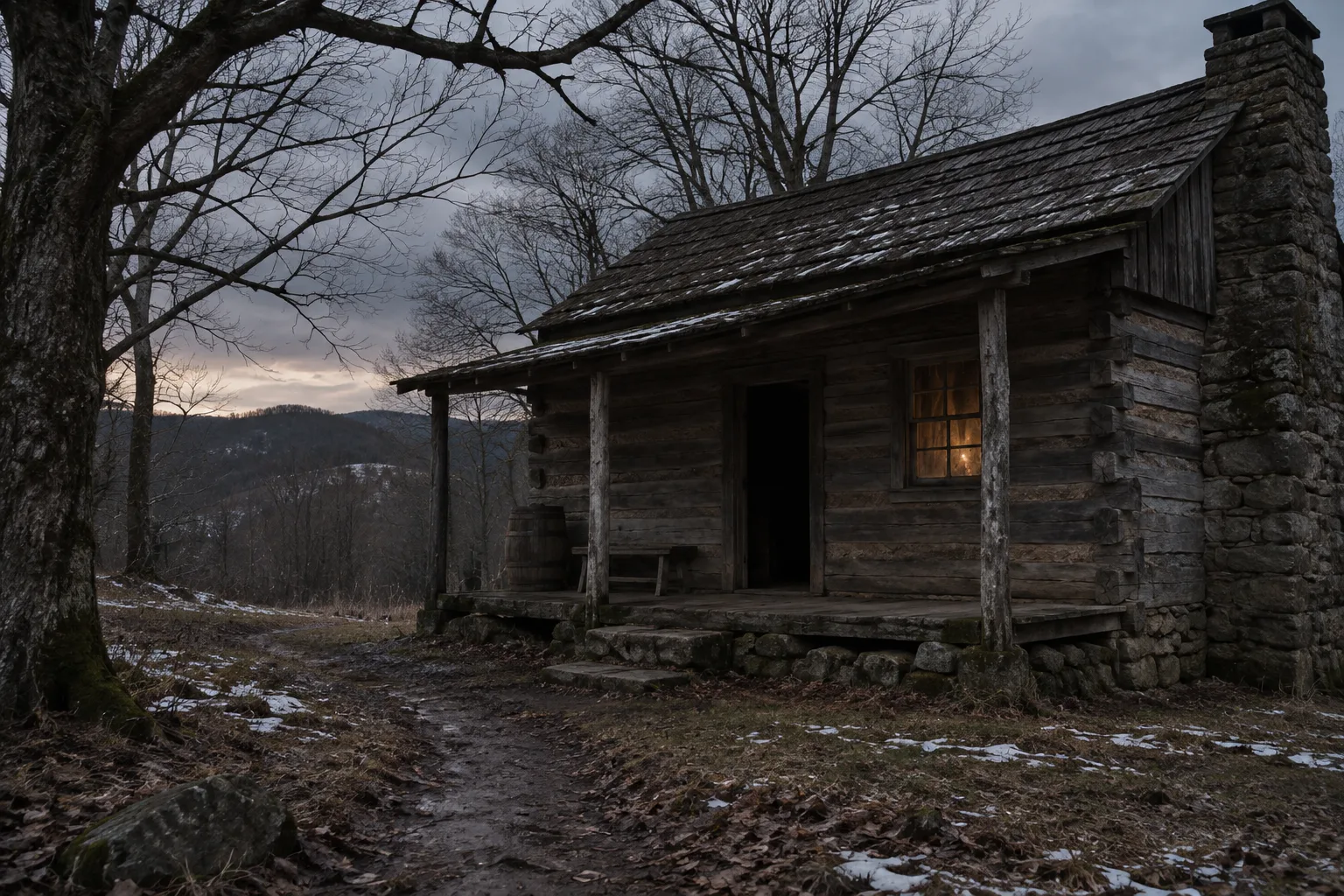
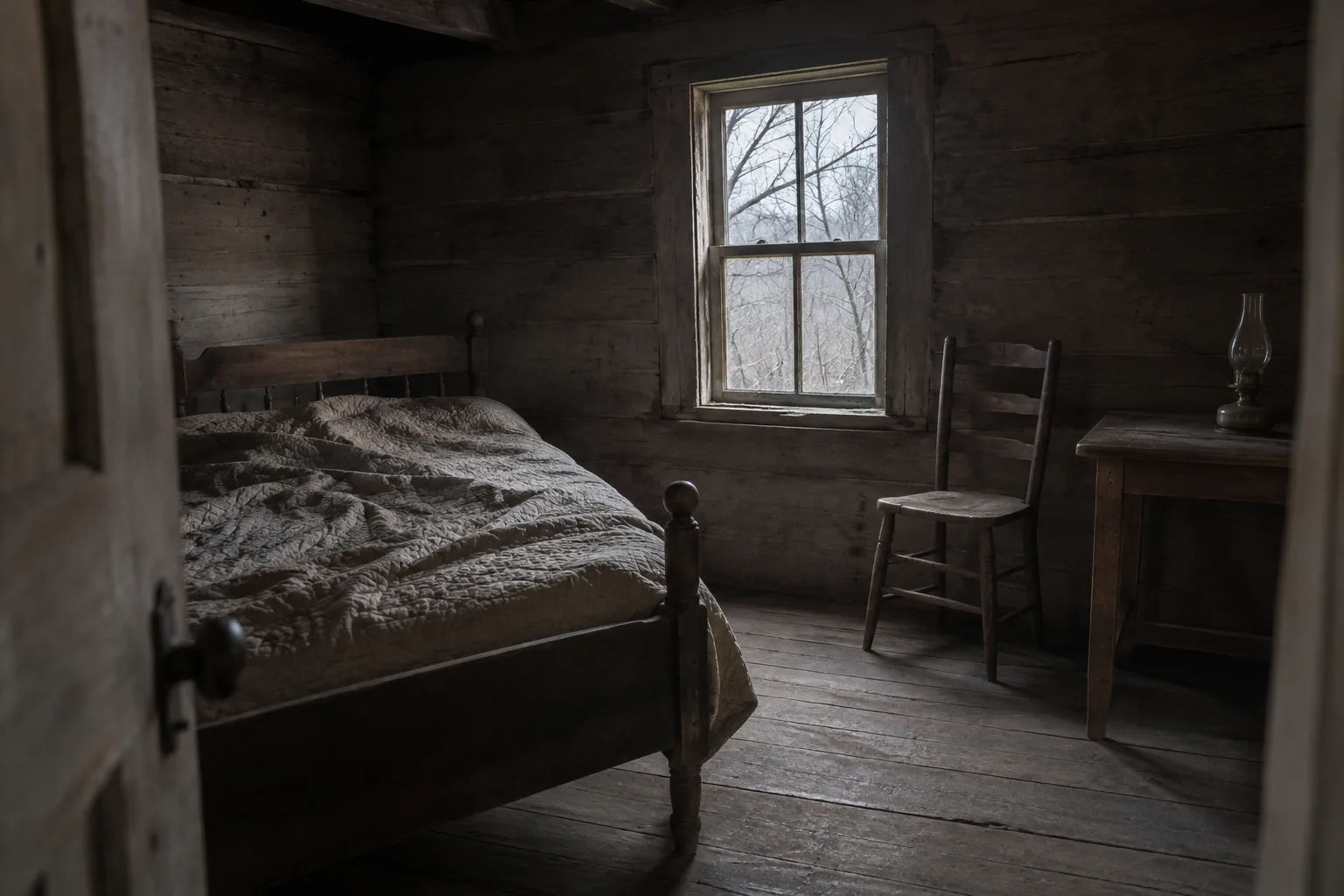
Zona had married a blacksmith known as Edward Shue only months before her death. According to the 1897 trial reporting preserved by West Virginia Archives and History, he sent a neighbor’s son to the house on an errand. The boy entered after receiving no answer and found her on the floor.
The initial examination did not uncover the injury that would later transform the case. The Greenbrier Independent reported that Shue asked Dr. Knapp not to examine further after attempts at resuscitation. It also described a high collar and a folded veil around Zona’s neck. These are details from testimony summarized by a newspaper, not observations made by a modern investigator.
Her death was initially treated as natural. Burial appeared to close the matter, but her mother, Mary Jane Heaster, did not accept that explanation. The dread in this part of the story requires no supernatural addition. A serious injury had gone undetected, and the person who could explain what happened was dead.
What the reopened grave revealed
After exhumation, doctors found damage the earlier examination had missed. The Monroe Watchman‘s July 1 report described a dislocation between the upper neck vertebrae, torn ligaments and a crushed windpipe. This was not simply an unexplained death with a ghost story attached. Physicians now had physical findings to put before a jury.
Nevertheless, an injury and an identification are different kinds of evidence. The examination could challenge a natural-death explanation. It could not, on its own, show who inflicted the damage or authenticate a supernatural source of information. Understanding the Greenbrier Ghost means keeping those questions separate, even where the legend brings them together.
The West Virginia Daily News collection of the original newspaper coverage also preserves the February 1897 reporting on the exhumation. Read in sequence, the reports show a case developing through investigation before the trial became a regional ghost legend.
How the Greenbrier Ghost entered the courtroom
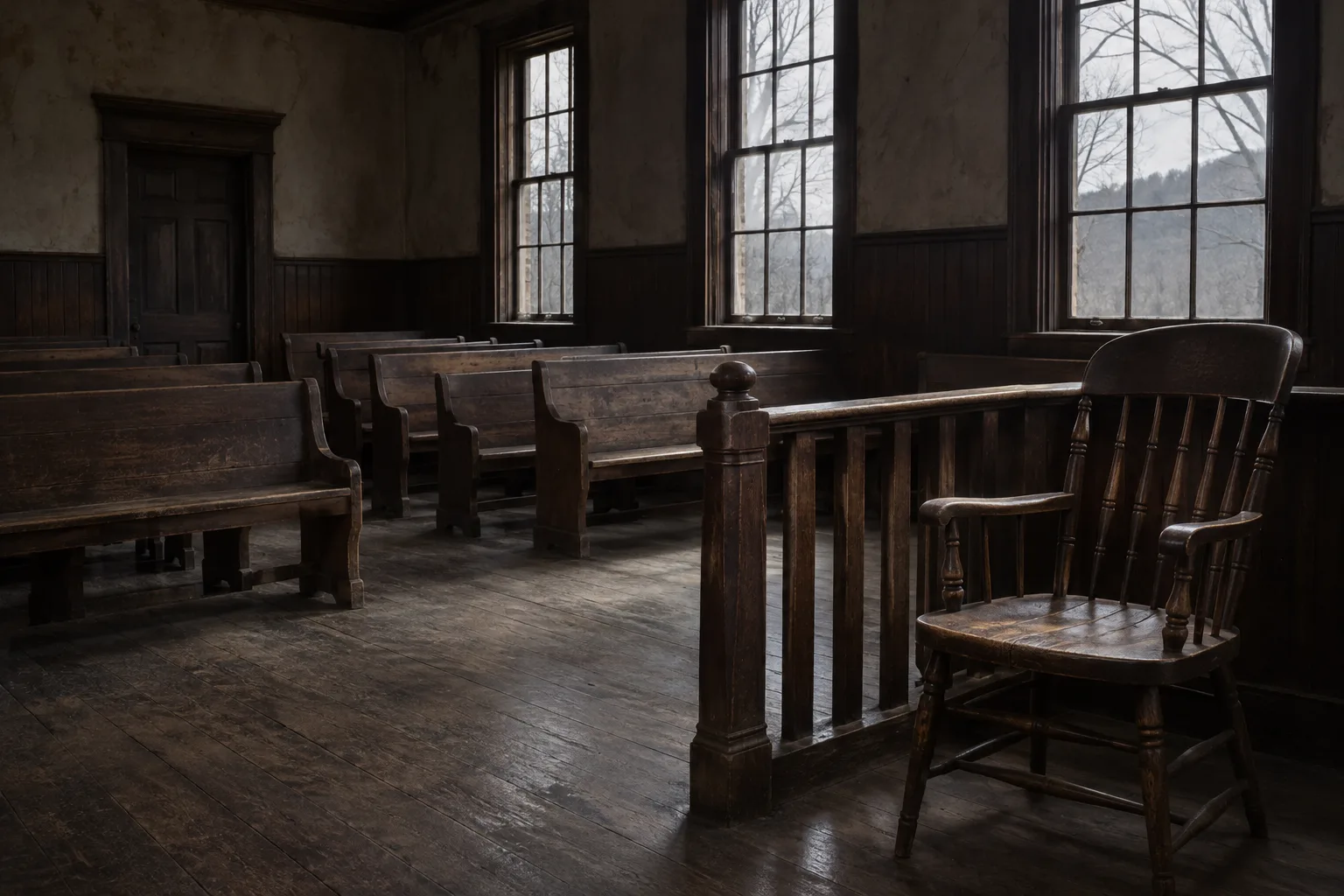
At the June 1897 trial in Lewisburg, counsel for the accused questioned Heaster about her alleged encounters. The Independent printed a question-and-answer account on July 1. She said her daughter had appeared on four nights and described an attack by her husband. Repeatedly, the questioning invited her to concede that these experiences were dreams.
Heaster refused that explanation. She maintained that she had been awake and that Zona had spoken to her. The exchange is unsettling partly because the two sides never agree on what kind of experience they are discussing: the questioner proposes dreams born of distress; the mother insists on a visit from her daughter.
Her conviction does not make the encounter independently verified. Equally, the surviving exchange does not allow a reader to diagnose her or prove deliberate deception. It establishes that a living witness made an extraordinary claim under questioning. The reported words of that witness are the historical evidence; the appearance itself remains uncorroborated.
The evidence beyond the apparition
The same newspaper coverage explicitly said that nobody had witnessed the killing. Prosecutors relied on circumstances linking Shue to his wife’s death. Among the matters reported were his presence at the house before the discovery, his handling of the body, the restricted examination and statements attributed to him afterward.
Shue denied the accusation when he testified. Newspaper descriptions of his manner, or of how spectators reacted to him, should not be mistaken for neutral medical evidence. They show how reporters framed the proceedings, with judgments and assumptions of their own. The Greenbrier Ghost record is valuable precisely when read critically, not as an infallible account of every moment.
The Salem witch trials and their treatment of supernatural accusations offer a reason to scrutinize what courts hear. The cases are not equivalents: in Greenbrier County, doctors examined a physical injury. A responsible account cannot erase that difference, any more than it can turn a mother’s belief into a forensic finding.
A verdict compressed into a ghost story
In its July 8 edition, the Independent reported a first-degree murder verdict with a recommendation for imprisonment. Shue received a life sentence. The West Virginia Encyclopedia’s account records his death at the Moundsville penitentiary in 1900.
Today, a state historical marker near Sam Black Church credits ghost testimony with helping convict a murderer. Erected in 1991, it is evidence of how West Virginia commemorates the case, not a fresh examination of the alleged apparition. Its compact wording folds a mother’s persistence, a medical investigation and a criminal trial into one supernatural hook.
That compression helps explain the legend’s endurance. In the Flannan Isles lighthouse mystery, dramatic retellings similarly compete with a more limited documentary record. Returning to contemporary reports makes both stories less tidy. It also makes the unanswered questions more meaningful.
What the legend owes Zona
No surviving newspaper account can tell us exactly how each juror weighed Heaster’s testimony. Nor does a verdict settle whether she experienced a dream, a vision or something she understood in another way. Those uncertainties belong in the story, but they should not swallow the woman at its center.
The Greenbrier Ghost is most frightening as a story of a death nearly left unexplained. Zona’s body went into the ground before an examination revealed devastating injuries. Her mother challenged the explanation, the investigation continued, and a jury convicted her husband. Whatever readers believe about ghosts, the documented warning is human: an early conclusion can hide a terrible truth, and someone must insist that it be examined.
Sources and reporting notes
- West Virginia Archives and History: 1897 trial reports and Heaster’s reported cross-examination.
- West Virginia Daily News: historical Greenbrier Independent coverage, including the exhumation report.
- West Virginia Humanities Council: Greenbrier Ghost.
- Greenbrier Valley: Belinda Anderson’s researched account and location context.
- Historical Marker Database: inscription, location and erection date.
Reporting note: contemporary newspaper reports are historical sources, not a complete certified trial transcript. This article distinguishes their accounts of testimony from independently established events. All illustrations are original editorial interpretations, not documentary evidence.