
The story of the Bell Witch is far more than a campfire tale whispered along the shadowed backroads of the American South. Rooted in Adams, Tennessee, the legendary Bell Witch haunting transformed a quiet family farm into the setting of one of the most infamous cases of alleged paranormal activity in American history. Often referred to as America’s deadliest haunting, the Bell Witch legend has endured for more than two centuries because it does what the most chilling ghost stories do—it refuses to stay buried.
Unlike many haunted house tales, the Bell Witch case carries a disturbing claim: a death linked to the haunting. The alleged victim was John Bell, a Tennessee farmer whose family reported years of torment by an unseen entity. According to historical accounts and local folklore, the mysterious force whispered in the dark, scratched walls, slapped family members, hurled curses, and ultimately contributed to Bell’s death. Whether viewed as folklore, historical mystery, or supernatural horror, the Bell Witch haunting in Adams, Tennessee remains one of the most terrifying and debated ghost stories in the United States.
More than 200 years later, the legend of the Bell Witch continues to captivate paranormal researchers, history enthusiasts, and horror fans alike, securing its place as one of the most famous hauntings in American folklore.
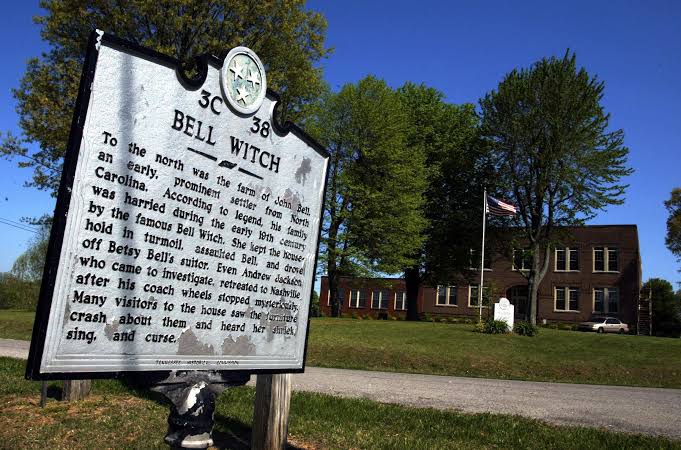
The Bell Witch: Whispers Beneath the Floorboards
The first signs were subtle, the kind of disturbances a tired family might dismiss at first. Strange knocking echoed through the Bell farmhouse at night. Scratching sounds crawled along the walls. Blankets were yanked from sleeping children. In the darkness, the family heard faint whispers that seemed to come from nowhere and everywhere at once, as though the house itself had learned to speak.
Soon, the entity became bolder. It reportedly targeted young Betsy Bell, pulling her hair, striking her face, and leaving her terrified in her own bed. The voice grew clearer over time, taking on a sharp, cruel intelligence. Locals began calling it “Kate,” though the name only made the presence feel more human—and more horrifying. This was no drifting spirit content to rattle chains. This thing had opinions, grudges, and a taste for suffering.
Today, anyone researching the Bell Witch legend will find a chilling blend of oral history and Southern Gothic dread. The tale has become a cornerstone of Tennessee ghost stories, drawing paranormal enthusiasts to the region and inspiring books, films, and investigations. Yet beneath the tourism and retellings lies the original terror: a family trapped with a voice in the dark that knew their names.
A Tennessee Farmhouse Shaking With Malice
By 1817, the Bell family farm in Robertson County had become infamous. Neighbors visited to witness the disturbances for themselves, and many allegedly left convinced that something unnatural had taken hold of the property. The spirit sang hymns, quoted scripture, mocked visitors, and exposed private secrets. It was said to mimic voices perfectly, even carrying conversations from rooms where no living person stood.
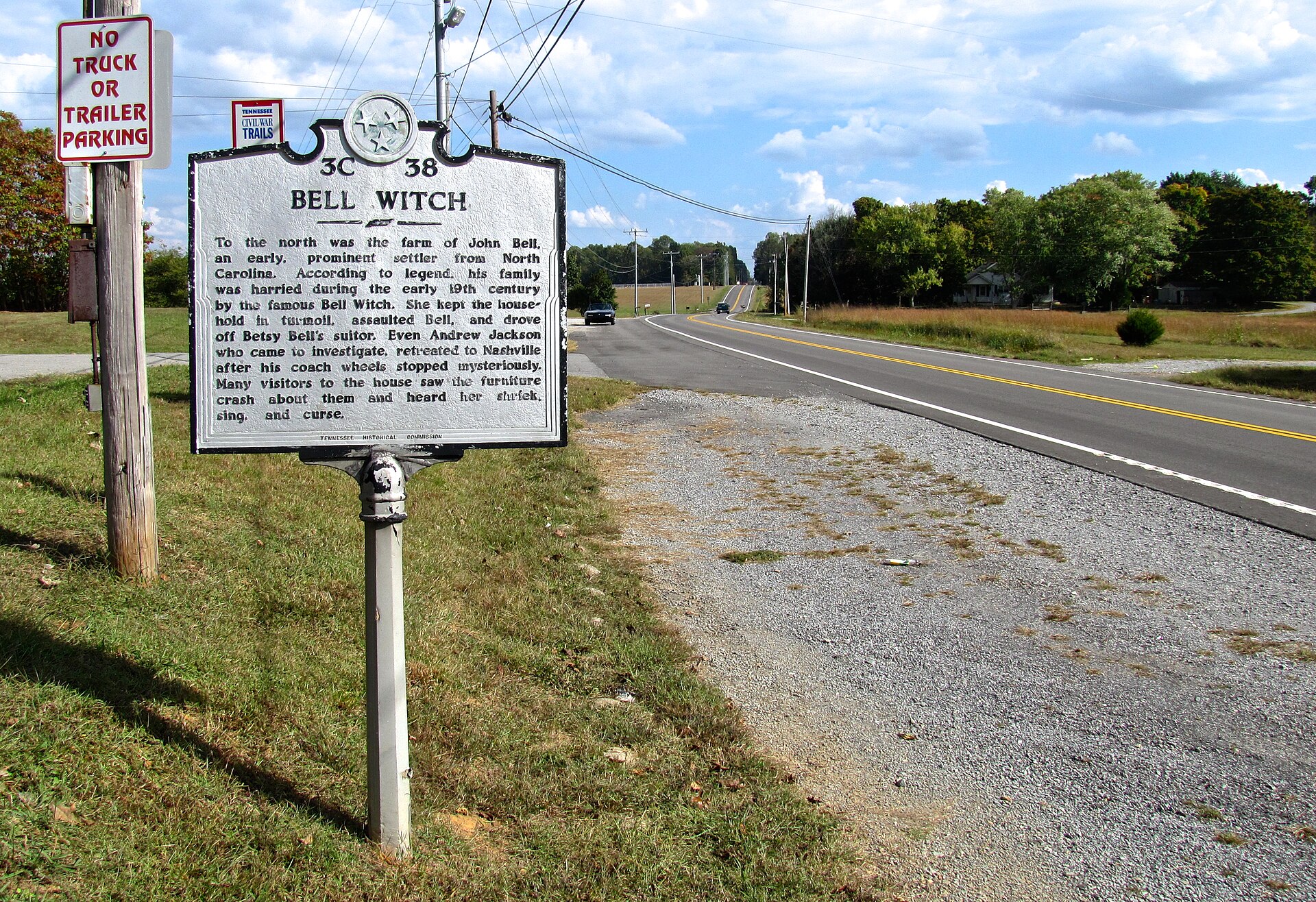
One of the most famous pieces of the story involves Andrew Jackson, who supposedly came to investigate the haunting before he became president. According to legend, Jackson and his men were stopped by an invisible force that froze their wagon in place. Whether fact or folklore, the anecdote has become part of the larger mythology surrounding the Bell Witch haunting, adding political legend to paranormal horror.
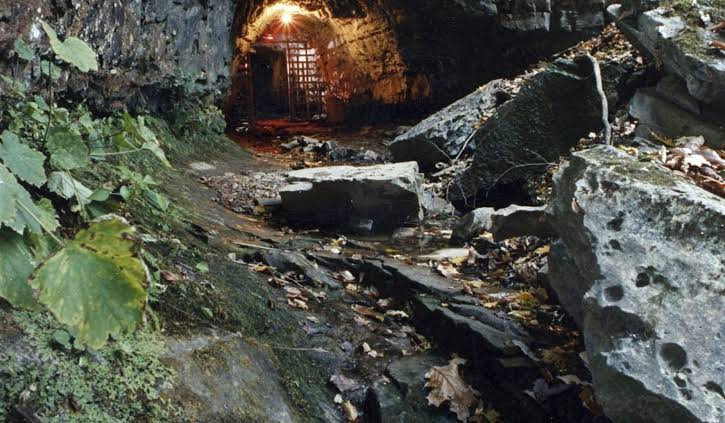
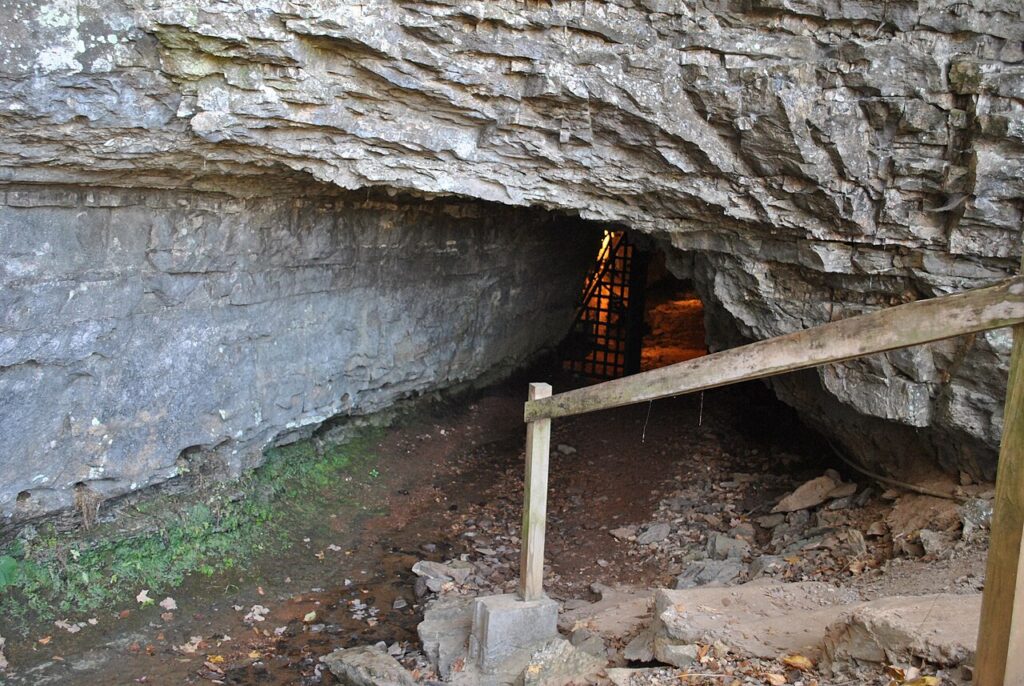
The farmhouse itself no longer stands, but the land remains heavy in the imagination. Nearby, the Bell Witch Cave has become one of the most searched and visited haunted locations in Tennessee. For ghost hunters and dark history lovers, it offers a physical doorway into the legend. But the real horror was never just the cave or the farm. It was the idea that a family’s home—their safest place—could become a mouth for something malicious.
The Curse That Choked John Bell in the Dark
The entity’s hatred seemed to focus most intensely on John Bell. As the haunting progressed, he suffered strange physical symptoms: swelling of the throat, difficulty speaking, twitching, and episodes of weakness that left him helpless. The voice reportedly mocked him as his condition worsened, claiming responsibility for his suffering with a chilling confidence.
In December 1820, John Bell died under mysterious circumstances. According to the legend, a vial of strange liquid was found near his bed, and when tested on the family cat, it supposedly killed the animal. The spirit allegedly declared that it had given Bell the dose, making this case unlike nearly any other in American ghost lore. If the story is believed, the Bell Witch did not merely haunt—she murdered.
This is why the Bell Witch remains known as America’s deadliest haunting. Most ghost stories end with a scream, a shadow, or a door slamming in an empty room. The Bell Witch story ends with a coffin. It lingers because it crosses the boundary between fear and fatality, between folklore and accusation. In the haunted landscape of American paranormal history, few legends feel as personal, as spiteful, or as cold.
The Bell Witch endures because it is more than a ghost story. It is a tale of a family under siege, a farmhouse alive with unseen rage, and a voice in the dark that would not be silenced. Whether viewed as legend, mass hysteria, or genuine paranormal activity, the story continues to unsettle anyone who looks too closely.
In Adams, Tennessee, the whispers have never fully faded. They drift through the fields, through the cave, and through every retelling of the Bell Witch haunting. Some hauntings are remembered because they frighten us. This one is remembered because, if the old stories are true, it killed.