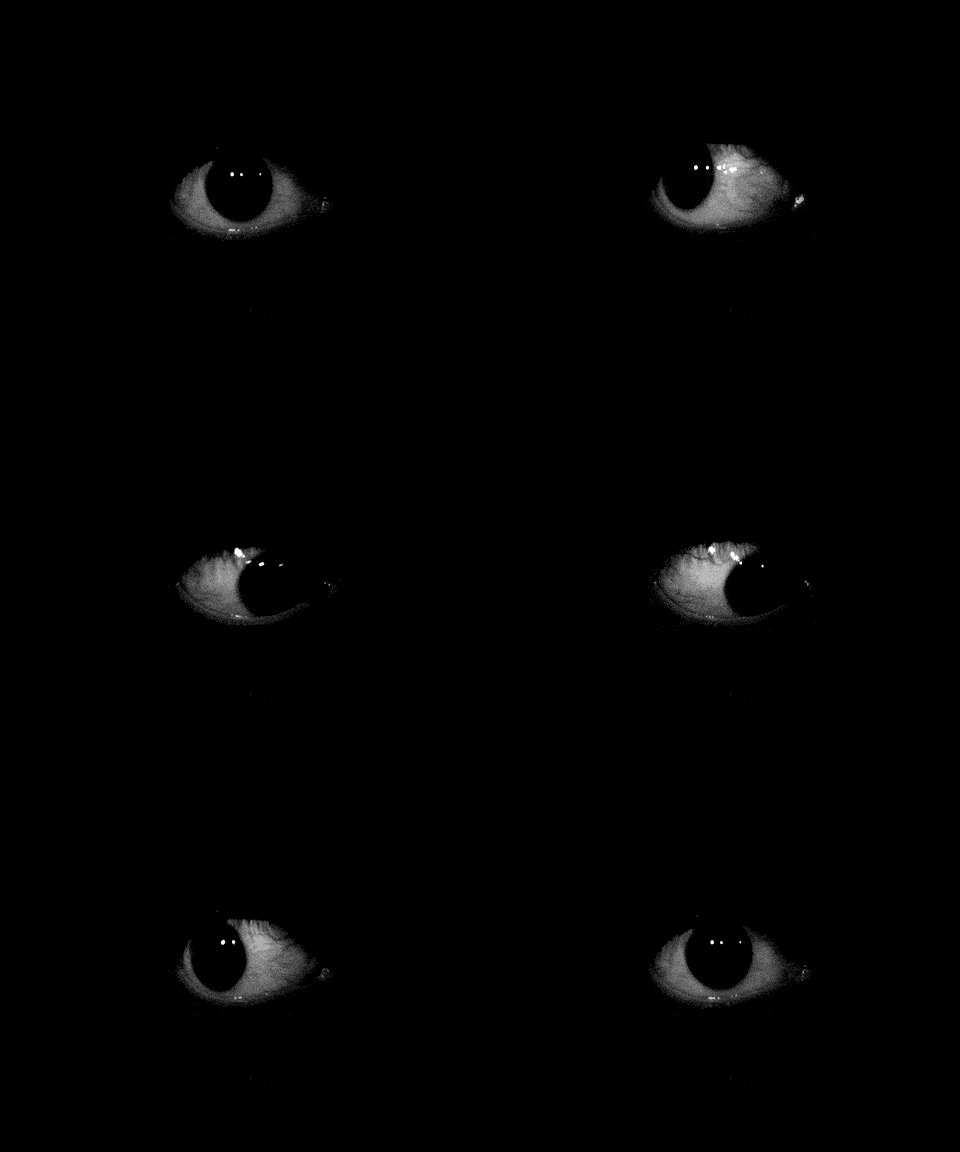

The Haunted Legacy of Olivia Mabel’s House
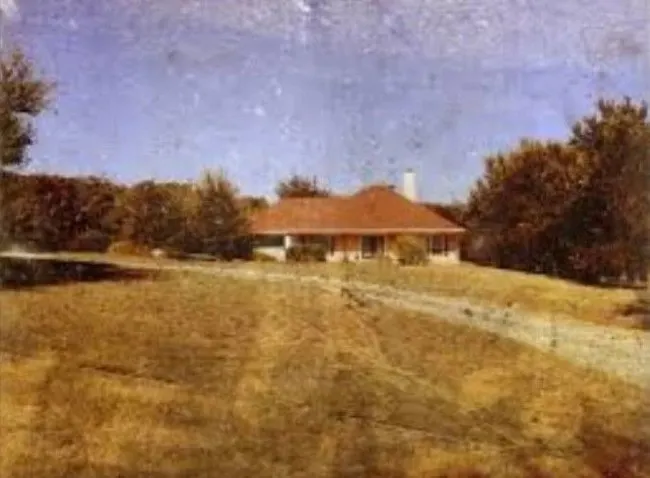
On the map of Texas, you can find a damn house that no one wants to live in. This eerie domicile, a decrepit shell of its former self, has stood empty since 1994. It silently beckons passersby, but no brave soul dares to cross its threshold. The stories whispered on the wind are enough to chill the bones of even the most hardened ghost hunters.
The Mabel Family Curse
Before delving into the nightmarish tale of this ill-fated Texas property, one must understand the sinister artifacts left behind: a letter, a doll, and a chair. These objects—innocent in appearance—carry the weight of the Mabel family’s despair. At the center of it all was Olivia Mabel, the last resident of the home, whose reclusive existence and descent into grief forever marked the house.

Once known as a loving mother, Olivia’s world unraveled as her children mysteriously vanished, one after another, under circumstances too strange to ignore. The tragedies carved deep scars into her life, leaving her isolated, fragile, and obsessed with grief. It was then that she began surrounding herself with symbols of her loss: a child’s wooden chair, an old doll she claimed carried whispers of her son, and an unfinished letter she returned to again and again, as if writing to a child who no longer walked the earth.
The Night of Terror
On the night that sealed the home’s dreadful fate, neighbors recall strange flickering lights in the windows, shadows moving unnaturally, and a silence so oppressive it seemed the air itself refused to stir. When the authorities finally entered, they found Olivia in a horrifying tableau: seated in the child’s chair, a doll resting across her lap, and a letter clutched tightly in her hand.
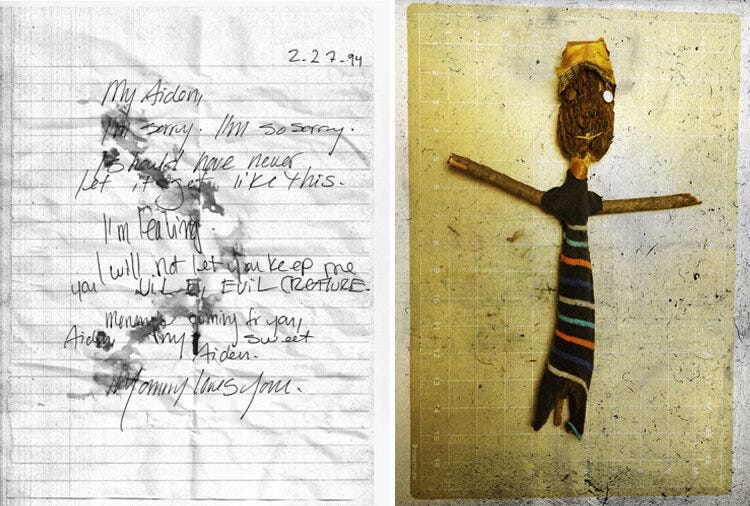
The words of the letter were frantic, scrawled pleas to her lost children, urging them to return. The doll, eerily pristine despite the decay around it, seemed positioned deliberately—an audience to Olivia’s torment. Witnesses whispered that her expression was both anguished and transfixed, as though she had been listening to something no one else could hear. Her children’s whereabouts remained a mystery, but the doll and the letter made clear that she had not been alone in her final hours.
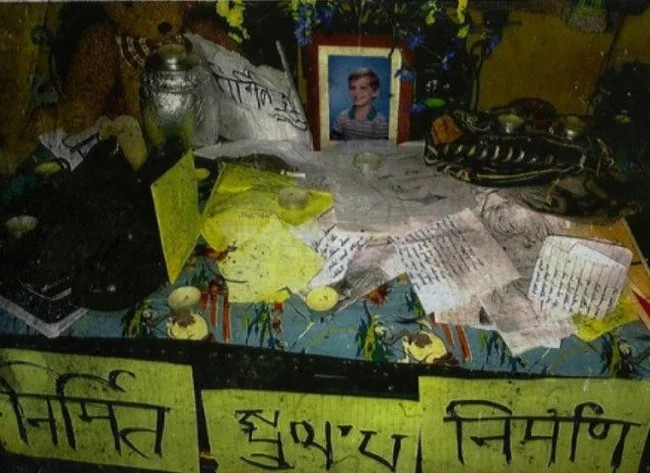
In front of the child’s chair, police discovered a makeshift altar: a baby blanket spread across a table, a boy’s photograph, toys, drawings, flowers, an urn of ashes, and letters Olivia had written to her lost son.
Yellow slips of paper covered the altar, each scrawled with Sanskrit words meaning “create,” “build,” “erect.” At the center sat the doll, eerily pristine, facing the altar as if waiting. Olivia was found nearby, clutching a letter, her expression both anguished and entranced.
The scene made clear—her grief had turned into ritual. And whatever she tried to summon, it had answered.
The Evils Within
After Olivia’s death, the house became notorious not just for strange sounds and ghostly apparitions, but for the objects themselves. Brave (or foolish) intruders claim that the doll sometimes shifts position on its own, appearing in different corners of the room, its button eyes gleaming in the dark. The wooden chair creaks at night as though someone unseen has just taken a seat. And the letter—still left on the table where the police discovered it—seems to change in tone depending on who reads it. Some see sorrowful apologies, others threats, and a few swear the ink is still fresh, as though Olivia’s hand has never stopped writing.
A Town Divided
The locals remain conflicted. To some, the doll, the letter, and the chair are cursed relics that should be burned and forgotten. To others, they are sacred markers of the tragedy, preserving the story of a mother who loved too fiercely, too desperately. The house has become a point of both fear and fascination: children dare each other to look through its windows at night, and ghost hunters travel miles for a glimpse of the infamous “Chair of Olivia”—said to rock on its own when her spirit draws near.
The Future of a Haunted House
Time has not been kind to the house, but its legends endure. The structure sags, the windows are broken, and the roof caves in places—but still, the doll remains inside, seated faithfully upon the chair as if waiting. The letter, protected in a cracked frame, whispers Olivia’s grief to anyone reckless enough to step inside.
On the map of Texas, this house stands not merely as a ruin but as a shrine to despair. For those who enter, it is not the peeling wallpaper or broken glass that terrifies, but the simple sight of a doll, a letter, and a chair—ordinary objects made monstrous by sorrow. They serve as warnings that some grief binds tighter than chains, and some love calls back things that should never return.