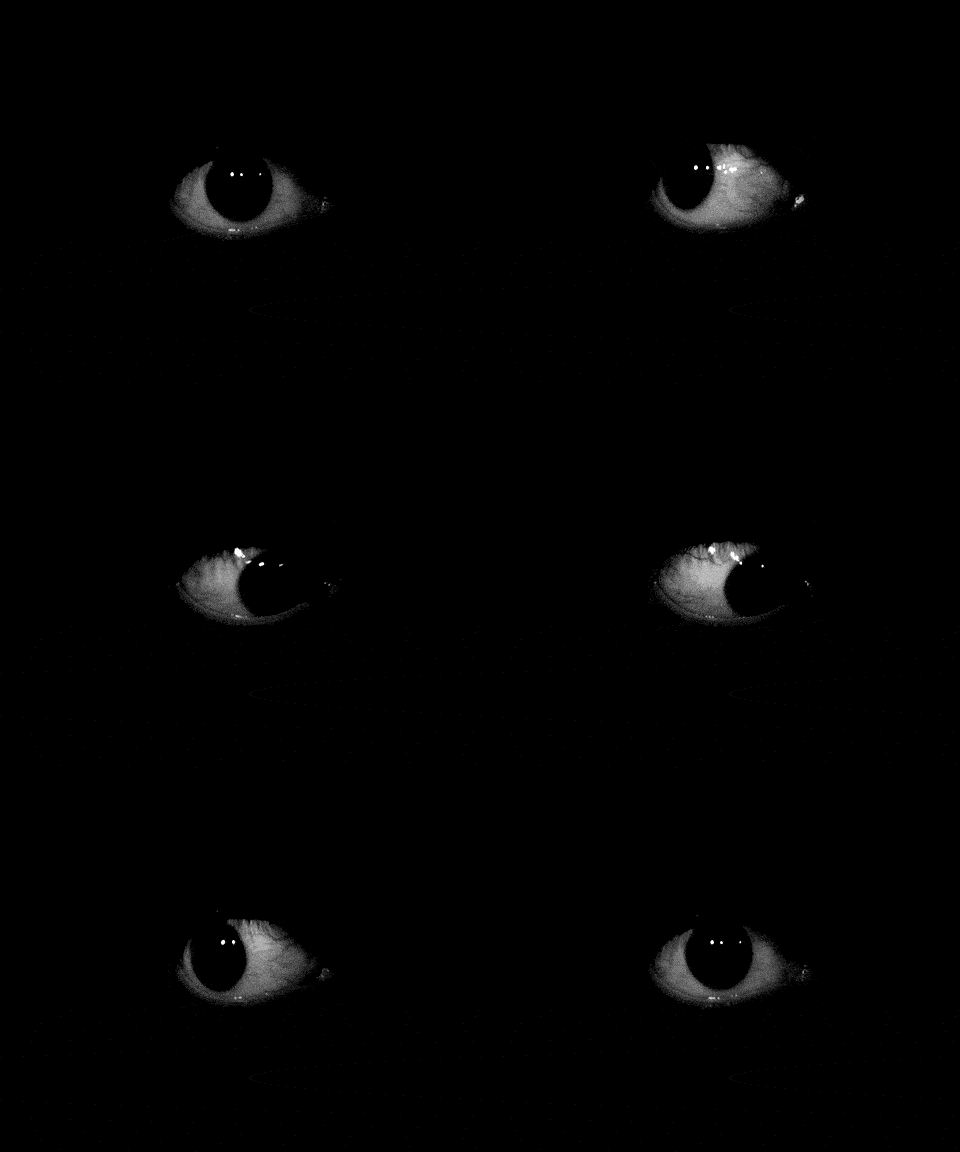

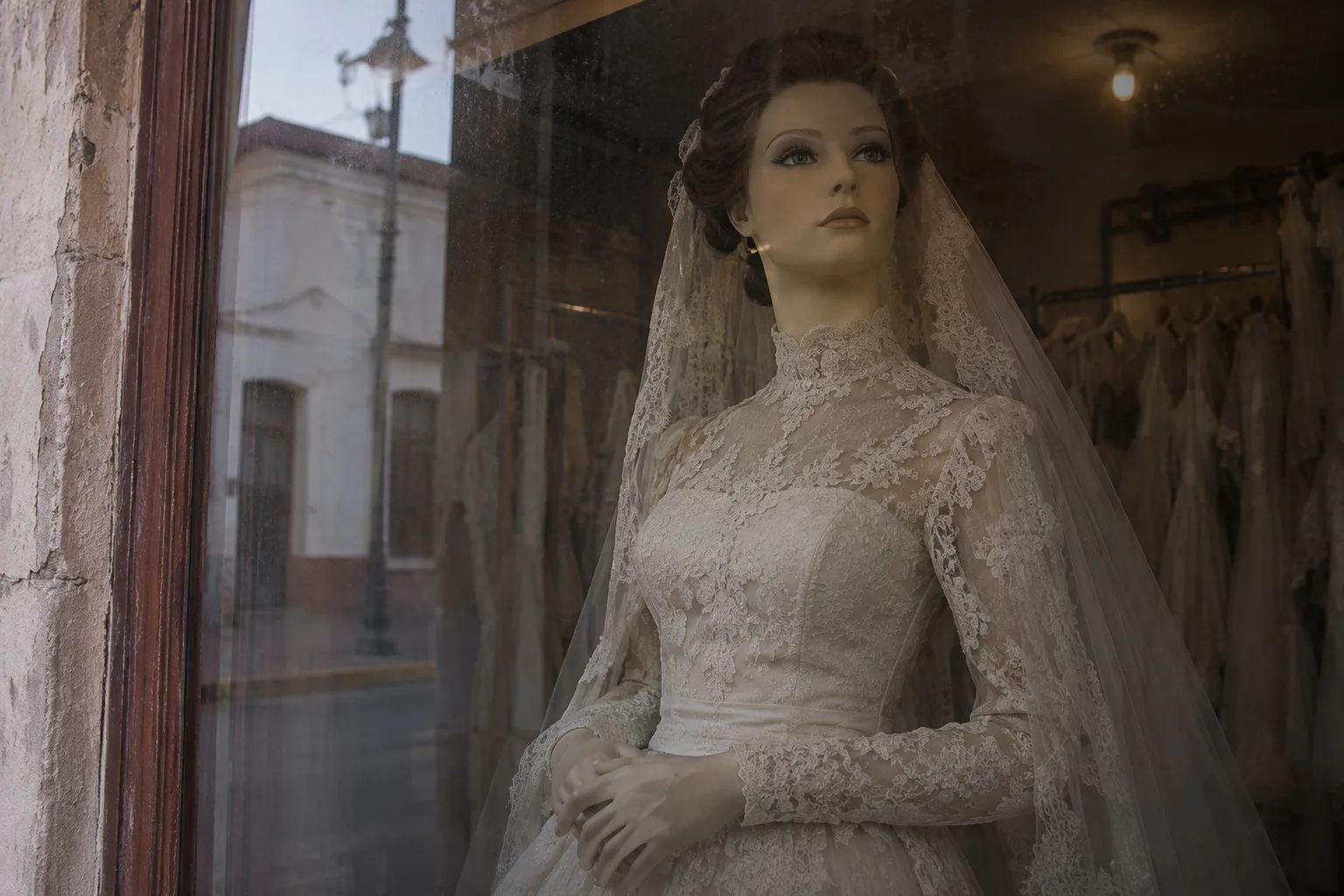
La Pascualita is a bride people visit to look at, then describe as though she looked back. The famous bridal mannequin associated with Chihuahua’s La Popular shop has inspired decades of stories about moving eyes, a dead daughter and a mother who could not bear to let her go.
The figure is real. The preserved-bride explanation is a legend, not an established finding. None of the reporting cited here presents an authenticated examination demonstrating that the mannequin contains a human body. What remains is an unusually intimate horror story: a wedding display that makes some viewers unsure whether they are looking at an object or someone waiting.
Follow the story
La Pascualita in the shop window
Local accounts commonly trace La Pascualita’s display to March 25, 1930, at the bridal shop La Popular in Chihuahua city, northern Mexico. A retelling hosted on a Chihuahua government website associates the figure with shop owner Pascualita Esparza Perales de Pérez. It also repeats an origin story in which the mannequin came from France.
Those details give the legend a convincing frame: a named business, a recognizable street corner and a date repeated across generations. However, a later cultural retelling is not the same thing as a surviving purchase receipt or a contemporaneous record of the display. The date belongs to the commonly reported history; the darker explanation requires evidence of its own.
The essential setting is not a deserted mansion. It is a place where people choose clothing for a future they hope will be happy. That makes a motionless bride an unusually effective source of unease. The dress promises a beginning. The rumor insists that the person inside it has already reached an ending.
The daughter the legend put inside the dress
In the best-known version, the owner’s daughter dies around the time of her wedding. Her grieving mother supposedly has her preserved and places her in the shop window. The mannequin’s lifelike appearance then becomes, within the story, an explanation rather than a question.
Yet the supposed death changes between tellings. A 2024 Chihuahua ES account preserves versions involving a scorpion or a black widow spider. These are alternative folklore narratives, not different confirmed details of one documented death. Repeating the most vivid version without that distinction turns a rumor into an apparent biography.
La Pascualita’s story gains much of its force from the mother’s alleged decision. A wedding dress becomes a means of holding someone at a single age, forever ready for a ceremony that cannot happen. That is a disturbing idea, but its emotional completeness does not authenticate it. A story can explain every visible detail while still failing to establish that its central event occurred.
Why the hands are harder to dismiss than the story
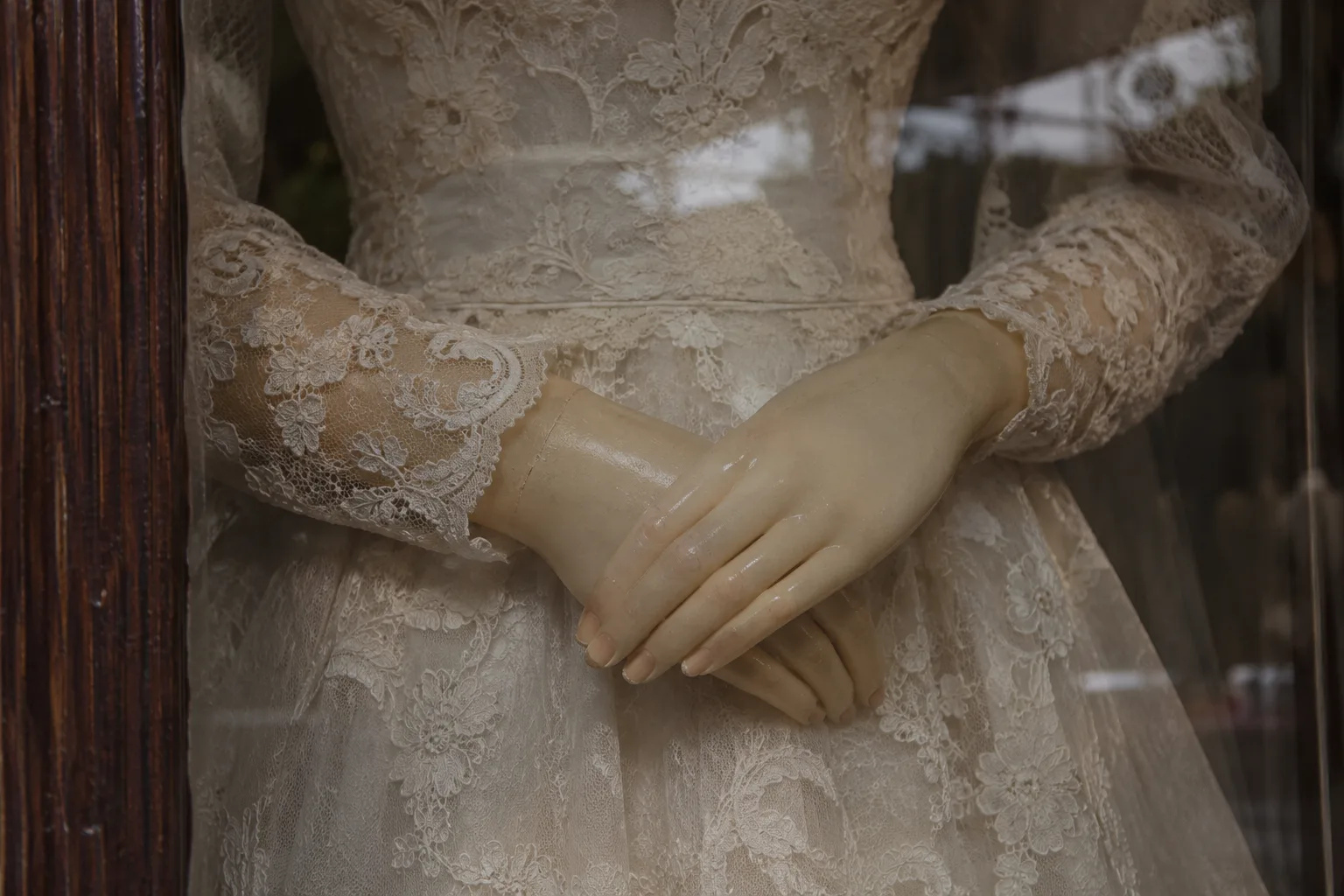
Descriptions repeatedly return to the figure’s eyes and hands. The Chihuahua ES account emphasizes details such as nails and lines in the hands, while El Heraldo de Chihuahua’s 2021 street-level reporting describes the fascination of people stopping to look at the mannequin.
A face offers the possibility of recognition. Hands bring the uncertainty closer: small creases and carefully shaped nails are details people normally associate with another person. Once a viewer knows the corpse story, those ordinary features become things to inspect for confirmation. The same object can appear more troubling after its legend has been explained.
This is an interpretation of the display’s effect, not a diagnosis of every visitor’s reaction. A photograph can show a finely modeled hand; it cannot by itself establish what lies beneath its surface. Likewise, an eye that appears to follow a passerby is a reported impression, not a record of the figure changing position.
When restoration became another mystery
The figure’s physical appearance has also changed through care and restoration. In N+’s March 2025 report, city chronicler Rubén Beltrán Acosta discussed public suspicions that the mannequin returned from restoration as a different figure. His explanation concerned the difficulty of restoring a sculptural object without people perceiving it as changed.
That response is more useful than treating every altered feature as a supernatural clue. Cleaning, repair and replacement rumors concern the history of an object and the public’s memory of it. They do not independently verify the preserved-body story. Nor does calling a figure original or restored answer every question about its manufacture.
There is an uncomfortable tension here. People want an old object to survive, but they may also want it to keep every feature they remember. Once a legend depends on the conviction that a face looks exactly like a person, even ordinary conservation can become a new chapter in the mystery.
A legend still being told in Chihuahua
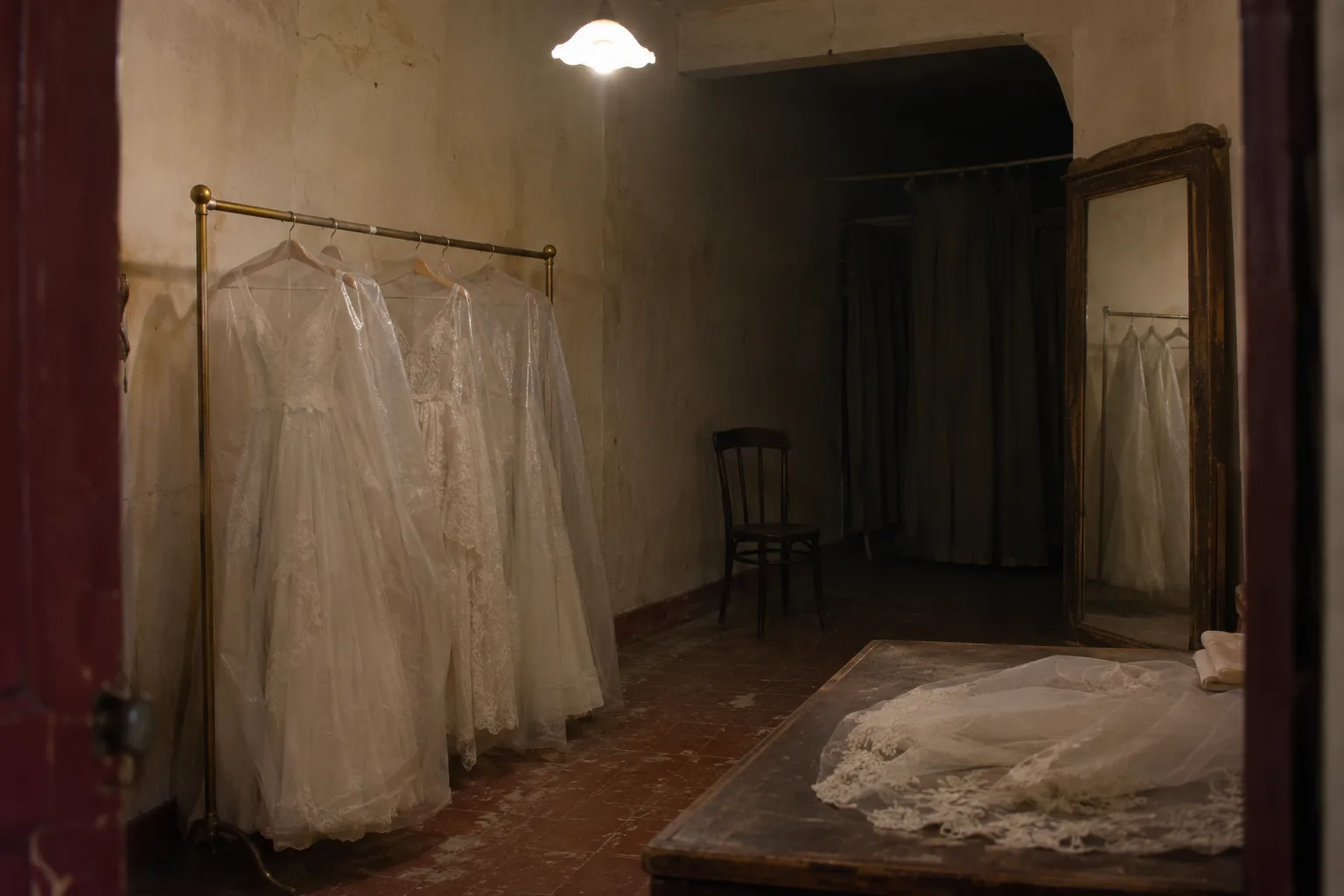
La Pascualita has not survived only in old ghost-story collections. On October 30, 2026, El Heraldo reported an ISSSTE staff tribute built around an altar titled La Novia Eterna, or “The Eternal Bride.” That is a recent example of the figure’s place in local cultural storytelling, not evidence for the embalming claim.
Meanwhile, the display itself should not be treated as permanently available simply because an old article describes it. N+ reported the mannequin stored during shop work in 2025. TV Azteca Chihuahua’s 2026 coverage discussed an anticipated return after remodeling. Neither dated account guarantees what a visitor can see today.
Readers planning a visit should check directly with the business for current display arrangements. The distinction is worth keeping: a temporary absence has a practical explanation in the reporting, and should not automatically become a disappearance added to the ghost story.
What the glass does, and does not, conceal
The Greenbrier Ghost murder trial shows how a real object or event can become inseparable from an extraordinary explanation. Evidence still has to support each part separately. In Chihuahua, the existence of a lifelike figure does not authenticate the alleged daughter’s death or her mother’s supposed act of preservation.
Similarly, Okiku’s Well and its enduring ghost story demonstrate how a physical landmark can anchor a narrative without confirming every event attached to it. These legends deserve attention as stories people tell about loss, fear and memory. They do not need false certainty to remain unsettling.
La Pascualita’s strongest horror is the pause before a viewer decides what they are seeing. Lace, a fixed expression and carefully made hands are enough to disturb the boundary between a display and a presence. The evidence supports a famous mannequin with a powerful legend. The bride trapped inside the dress remains part of the tale, not a woman whose death this article can document.
Sources and reporting notes
- Chihuahua government-hosted cultural retelling: La Pascualita.
- Chihuahua ES: regional legend variants, April 2024.
- N+: interviews about restoration and the display’s absence, March 2025.
- El Heraldo de Chihuahua: public fascination with the display, March 2021.
- El Heraldo de Chihuahua: La Novia Eterna tribute, October 2026.
- TV Azteca Chihuahua: remodeling and anticipated return, updated July 2026.
Reporting note: this article examines folklore and published local reporting. It does not claim a site visit, a forensic examination or a verified account of the alleged daughter’s death. Artwork is interpretive, not an authentic photograph of the mannequin or shop.