
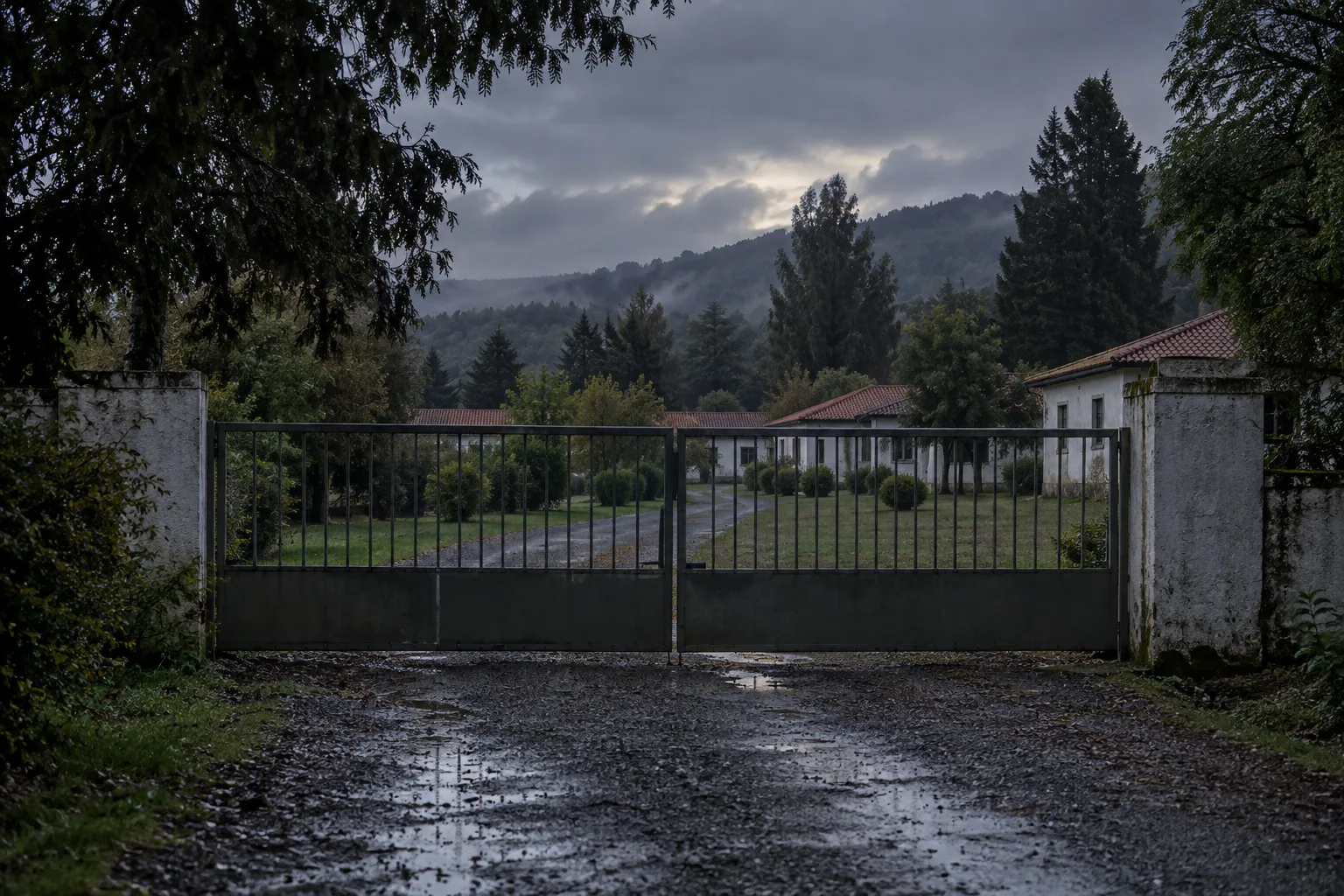
Colonia Dignidad offered an image of order: a German-speaking settlement, agricultural work and medical care in rural Chile. Behind that charitable identity, people endured isolation, exploitation and abuse. During Augusto Pinochet’s dictatorship, the enclave also became connected to political imprisonment, torture and disappearance. This was not a haunted-house legend. The terror involved people whose power depended on others being unable to leave.
Founded in 1961 near Parral, the colony was led by Paul Schäfer. Its history crosses two groups of victims: people controlled inside the settlement and Chileans targeted by the dictatorship. Understanding how those histories intersect is more revealing than treating the place as a mysterious compound. The question is how an institution could look useful from outside while making its interior so difficult to challenge.
In this investigation
A refuge built around one man’s authority
The memorial association’s account of the colony’s origins traces Schäfer’s following to postwar Germany. His movement promised collective security and a strict religious life. He left Germany while wanted over allegations of child sexual abuse, then established the Chilean settlement in 1961.
The geography mattered, but isolation was not only a matter of distance. An enclosed community can create its own authorities, vocabulary and expectations. If one leader defines both danger and safety, the promise of protection can become a reason to distrust anyone beyond his reach. That is an interpretation of the control system described by survivors, not an explanation for every individual’s decision to join.
Colonia Dignidad’s public identity included educational and medical assistance. The Chilean National Archives’ description of its records places that charitable presentation alongside the serious crimes committed there. Public usefulness and private violence were not mutually exclusive.
When family ties became a threat
According to the memorial association, children were separated from parents, boys and girls lived apart, and intimate relationships were prohibited. Labour sustained Colonia Dignidad without normal pay or rest. These were not merely unusual communal arrangements. They weakened the private loyalties that could compete with the leadership’s demands.
A family can offer an alternative account of what is happening: a parent who believes a child, a partner who challenges a punishment, someone willing to say that an order is wrong. Breaking those bonds changes the practical possibilities of resistance. The closed door becomes more than an architectural detail when the person behind it cannot freely choose whom to trust.
Describing the institution as a single willing collective therefore misses its victims. Children did not choose the conditions imposed on them. Nor should someone born inside the settlement be treated as responsible for the decisions of its leaders.
A community trained to watch itself
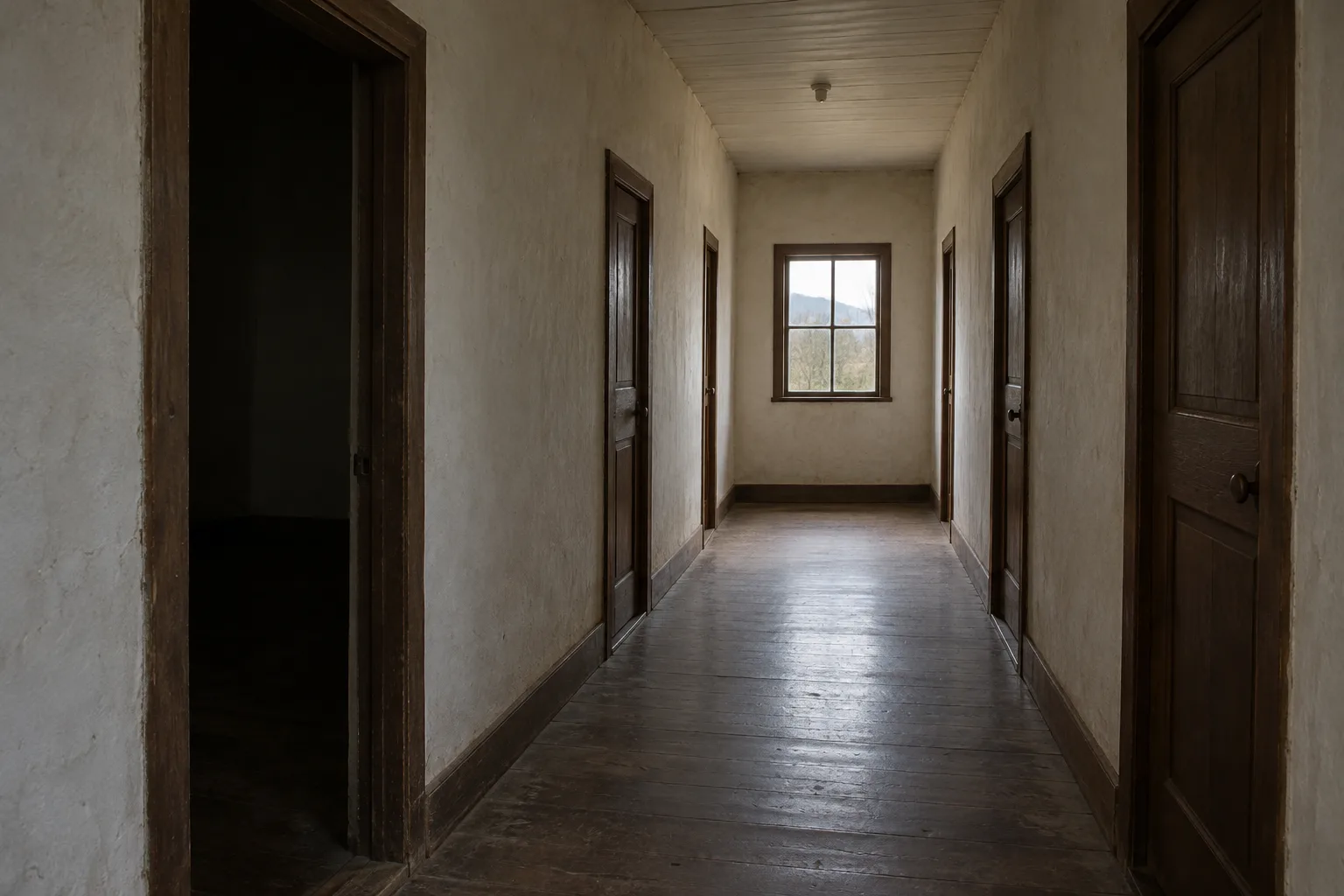
The German-Chilean oral-history project’s historical overview describes confession sessions, reporting on other residents and punishments that reinforced Schäfer’s authority. The memorial association also documents surveillance equipment at Colonia Dignidad. Control operated through relationships as well as physical boundaries.
That distinction is crucial. A fence is visible; an expectation that another resident may repeat your words is harder to locate. It can follow a person into work, conversation and apparent moments of privacy. This is why the case is disturbing without invented underground chambers or sensational props. The documented system made ordinary social contact a possible instrument of discipline.
The history of Aum Shinrikyo’s turn toward violence offers another investigation into concentrated religious authority. The groups were different, and their crimes should not be collapsed into one story. What comparison can illuminate is the danger of allowing a leader’s supposed mission to excuse harm.
Colonia Dignidad and the machinery of repression
Chile’s dictatorship lasted from 1973 to 1990. The oral-history overview describes cooperation between the enclave and DINA, the regime’s secret police, including the detention and torture of political opponents. A building identified as the potato warehouse appears in this history as a place of imprisonment and abuse.
For this reason, Colonia Dignidad cannot be understood only as a secluded religious group harming its own members. Colonia Dignidad’s relationship with state repression connected internal coercion to a wider apparatus of persecution. The victims included people brought there because of political targeting, not because they had joined the community.
The warehouse detail is especially chilling because it resists the visual language of a horror film. An ordinary agricultural building can conceal crimes. Architecture does not announce what has happened inside it, and a practical exterior is no guarantee of a harmless purpose.
Leaving did not mean being believed
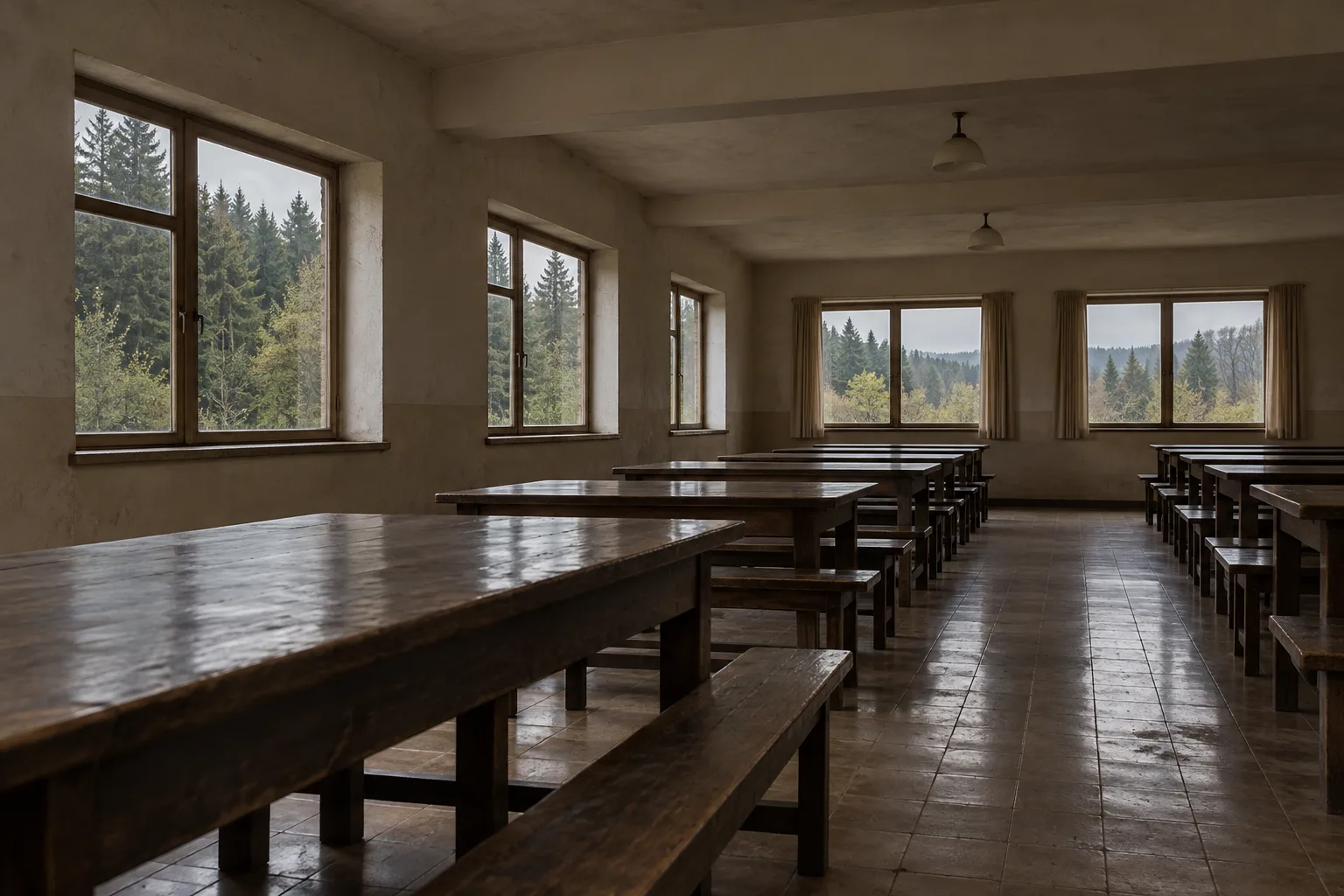
Escaping Colonia Dignidad was only part of the problem. The memorial association describes barriers including missing identity documents and difficulty speaking Spanish. Someone crossing a boundary still needed transport, protection and an outsider prepared to understand the danger. Some people who sought help were returned.
The association’s account of the transition toward accountability records years of pressure from survivors, relatives and human-rights organisations. Schäfer fled during the investigations of the 1990s. His arrest in Argentina in 2005 and later conviction for child sexual abuse were major developments, not the moment the harm first became known.
It is important to give that persistence its place in the story. Survivors were not silent figures waiting for an investigator to discover them. People escaped, testified, organised and sought recognition. Their accounts challenged a system that had worked to make its authority seem unassailable.
What the records preserve
The National Archives’ Colonia Dignidad collection holds documents seized during criminal investigations, produced between 1961 and 2005 and transferred into archival custody in 2017 by court order. Its collection description includes intelligence, administrative, judicial and clinical material, alongside press records. These are concrete categories of evidence, rather than a catalogue of rumours about a sinister place.
The archive also describes records used to track people. Paperwork matters because an institution can leave traces of how it classified, watched and managed human beings. However, a collection summary is not the same as examining an individual file. This article draws on the published catalogue description, not on a private inspection of those documents.
Original records have consultation conditions. Readers researching a particular person or allegation should follow the archive’s access procedures rather than assume that every item is freely available online. Responsible documentation requires both scrutiny and care for the people named in sensitive records.
The struggle over remembrance
The settlement later became widely known as Villa Baviera. That later identity does not erase the earlier history, but neither should it make every current resident a stand-in for Schäfer. A responsible account must distinguish leaders, perpetrators, survivors and subsequent generations rather than attach guilt to a location’s entire population.
Chile’s truth commissions recognised the site’s role in repression, as the memorial association explains. Remembering it therefore involves more than preserving an unsettling building. It means making the mechanisms of control, the victims’ experiences and the demand for accountability visible.
In April 2026, The Guardian reported a reversal of the memorial land-expropriation plan. The dispute over remembrance continues.
The horror was not supernatural
Colonia Dignidad needs no paranormal claim to make its history frightening. Its record concerns human authority, damaged families, institutional secrecy and the consequences of outsiders accepting an institution’s account of itself. The disturbing question is not what might have haunted the buildings, but how people inside them were deprived of protection.
The Order of the Solar Temple’s deadly history raises different questions about obedience and closed belief systems. Here, however, the essential task is specific: keep the documented crimes and the people who suffered them at the centre. A sinister reputation can turn a place into spectacle. Evidence and testimony make it possible to look past the gates.