
In the sun-bleached streets of Key West, where palm fronds scrape against old porches and the ocean air carries salt, rum, and rumor, one haunted legend refuses to stay buried. His name is Robert the Doll, and behind his tiny sailor suit and painted face lies one of Florida’s most chilling ghost stories.
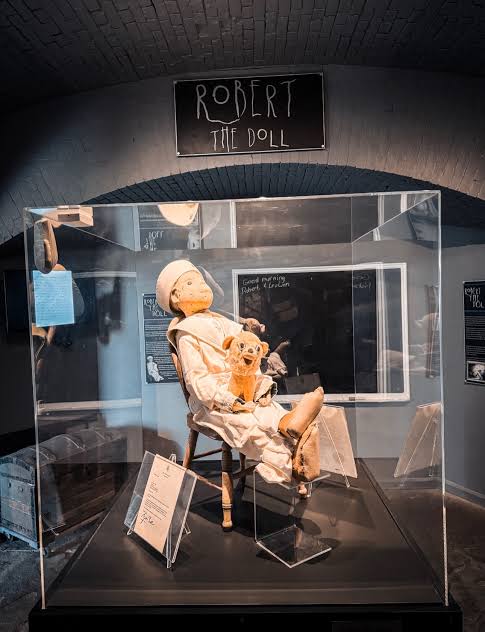
Visitors come to Key West for beaches, bars, and sunsets—but many leave whispering about a cursed doll locked behind glass at the Fort East Martello Museum. Some say Robert moves when no one is looking. Others claim his glass eyes follow them across the room. And those who mock him, photograph him without permission, or speak carelessly in his presence often send apology letters later, begging for the haunting to stop.
Robert the Doll: Key West’s Cursed Sailor
Robert the Doll’s story begins in the early 1900s, when he was gifted to a young boy named Robert Eugene Otto, often called “Gene.” The doll was not some delicate porcelain plaything. He was large, unsettling, and dressed in a sailor suit that seemed too formal for a child’s toy. From the beginning, the Otto family reportedly noticed something wrong. Gene spoke to Robert as though the doll answered back—and servants claimed they heard a strange, unfamiliar voice coming from the boy’s room.
As the legend goes, strange events soon surrounded the Otto home in Key West. Furniture overturned. Toys were found mutilated. Gene would insist, again and again, “Robert did it.” At first, adults dismissed the phrase as childish mischief. But the disturbances grew darker. Neighbors claimed they saw Robert moving from window to window when no one else was inside. The doll became less of a toy and more of a presence—one that seemed to watch, listen, and wait.
Today, Robert the Doll remains one of the most famous haunted dolls in America, often mentioned alongside Annabelle in paranormal circles. But unlike movie monsters or fictional curses, Robert has a physical address. You can visit him in Key West, Florida, where he sits preserved inside a glass case at the Fort East Martello Museum. Yet many who visit say the barrier between Robert and the living feels thin. Too thin. His sailor outfit may look quaint at first glance, but stare long enough, and the room begins to feel colder.
The Haunted Watch Behind Robert’s Glass Eyes
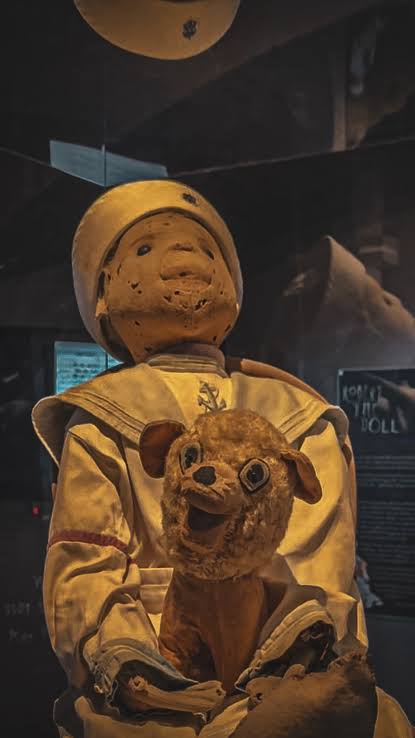
The most disturbing part of the Robert the Doll legend is not simply that he exists—it is that people still claim he responds. Museum visitors report camera malfunctions, sudden chills, dizziness, and the unnerving sensation of being watched. Some photographs of Robert allegedly turn out blurred or distorted, especially when taken without asking his permission. That detail has become part of the ritual: if you want to take Robert’s picture, you must ask politely. If you don’t, the curse may follow you home.
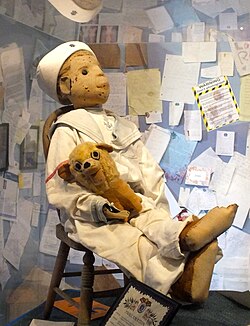
The Fort East Martello Museum has received countless letters from frightened visitors who believe Robert punished them. These apology notes describe broken electronics, car accidents, illness, job loss, nightmares, and a string of bad luck that began after disrespecting the doll. Some letters are written with trembling sincerity, pleading with Robert to forgive them. The walls near his exhibit have become a strange shrine of regret, proof that the haunted doll of Key West still holds power over the imagination—and perhaps something more.
Skeptics argue that Robert the Doll is nothing more than folklore wrapped in a sailor suit. But Key West has always been a place where the veil feels loose: a city of shipwrecks, cemeteries, ghost tours, and old wooden homes that creak in the humid dark. Whether Robert is truly cursed, possessed, or simply the center of a century-old ghost story, his presence is difficult to dismiss. His glass eyes do not blink. His expression does not change. And yet visitors often leave with the same feeling—that Robert noticed them.
Robert the Doll is more than a creepy museum attraction; he is a haunted Key West icon, a cursed sailor with a legend that continues to grow darker with every whispered account. From Gene Otto’s childhood home to the Fort East Martello Museum, Robert’s story has survived for over a century because it touches something ancient in us: the fear that lifeless things may not be lifeless at all.
If you ever stand before Robert’s glass case, remember the rule. Be polite. Ask permission. Do not laugh. In Key West, the dead have long memories—and Robert the Doll may be listening.